Red-bellied Black Snake

Red-bellied Black Snake

Pseudechis porphyriacus

Silhouette: SeismicShrimp · PhyloPic

LCLeast ConcernNTVUENCR Endemic
Daily sighting probability ~30% · Possible
at Blue Mountains National Park

In 3 days ~70% in a week ~90%

124 Verified sightings at Blue Mountains National Park From 2019 to 2026
512 In all 8 parks
October Best month
☀️ Diurnal When it's spotted

About the Red-bellied Black Snake

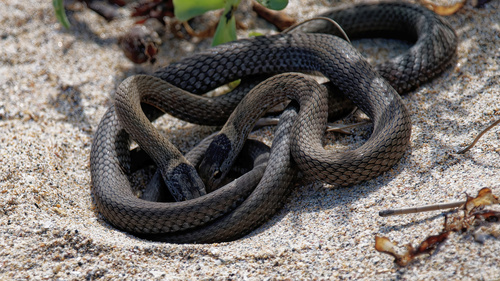
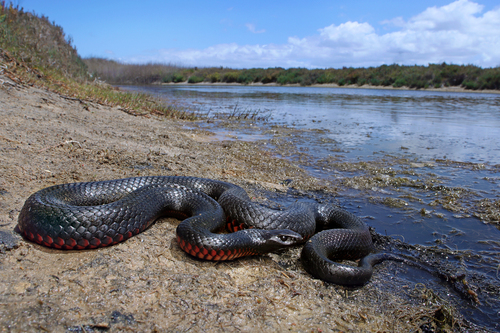
The red-bellied black snake (Pseudechis porphyriacus) is a species of venomous snake in the family Elapidae. The species is indigenous to Australia. Originally described by George Shaw in 1794 as a species new to science, it is one of eastern Australia's most commonly encountered snakes. Averaging around 1.25 m (4 ft 1 in) in total length (tail included), it has glossy black upperparts, bright red or orange flanks, and a pink or dull red belly. It is not aggressive and generally retreats from human encounters, but will defend itself if provoked. Although its venom can cause significant illness, no deaths have been recorded from its bite, which is less venomous than other Australian elapid snakes. The venom contains neurotoxins, myotoxins, and coagulants and has haemolytic properties. Victims can also lose their sense of smell.

Common in woodlands, forests, swamplands, along river banks and waterways, the red-bellied black snake often ventures into nearby urban areas. It forages in bodies of shallow water, commonly with tangles of water plants and logs, where it hunts its main prey item, frogs, as well as fish, reptiles, and small mammals. The snake is a least-concern species according to the IUCN, but its numbers are thought to be declining due to habitat fragmentation and decline of frog populations. Wikipedia →
Global Distribution

Parks Where Found

# Park Country Daily sighting probability
1 Lamington National Park 🇦🇺 Australia
~50%
2 Booderee National Park 🇦🇺 Australia
~50%
3 Grampians National Park 🇦🇺 Australia
~30%
4 Daintree National Park 🇦🇺 Australia
~30%
5 Blue Mountains National Park 🇦🇺 Australia
~30%
6 Royal National Park 🇦🇺 Australia
~30%
7 Noosa National Park 🇦🇺 Australia
~20%
8 Springbrook National Park 🇦🇺 Australia
~20%

Cities Where Found

# City Country Daily sighting probability
1 Sydney 🇦🇺 Australia
~20%
2 Brisbane 🇦🇺 Australia
~10%

Zoos & Centres Where Found

# Zoo / Centre Country
1 Australia Zoo 🇦🇺 Australia In captivity
2 Taronga Zoo 🇦🇺 Australia In captivity
3 Currumbin Wildlife Sanctuary 🇦🇺 Australia In captivity
4 Melbourne Zoo 🇦🇺 Australia In captivity
5 Lone Pine Koala Sanctuary 🇦🇺 Australia In captivity
6 Sydney Zoo 🇦🇺 Australia In captivity
7 Symbio Wildlife Park 🇦🇺 Australia In captivity
8 Featherdale Sydney Wildlife Park 🇦🇺 Australia In captivity

Closest Relatives at Blue Mountains National Park

Before you go

What are the chances of seeing a Red-bellied Black Snake in Blue Mountains National Park?

Possible

About 30% of wildlife watchers report a Red-bellied Black Snake sighting in Blue Mountains National Park on a given day, based on 124 verified sightings from GBIF citizen-science data from 2019 to 2026. It is the 6th most-seen of the 44 reptiles we can rate there. Over three days the chance rises to about 70%, and over a week to about 90%, if each day is a fresh chance.

When is the best time to see a Red-bellied Black Snake in Blue Mountains National Park?

March and October

In those months about 40% of wildlife watchers report a Red-bellied Black Snake in Blue Mountains National Park on a given day, against about 10% in May and July, the lowest months.

What time of day is best to see a Red-bellied Black Snake?

Between 11 am and 2 pm

Across all the parks we cover, that three-hour window holds the most Red-bellied Black Snake sightings with a recorded time, and nearly all of them come between 6 am and 6 pm: it is a daytime animal.

Which relatives of the Red-bellied Black Snake live in Blue Mountains National Park?

Same family: Elapidae

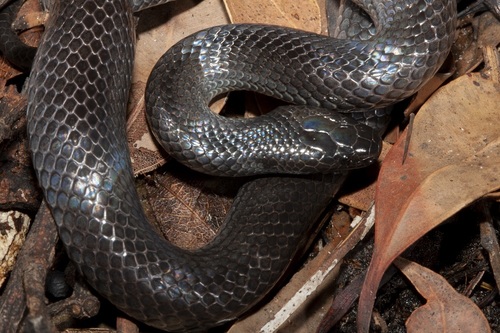
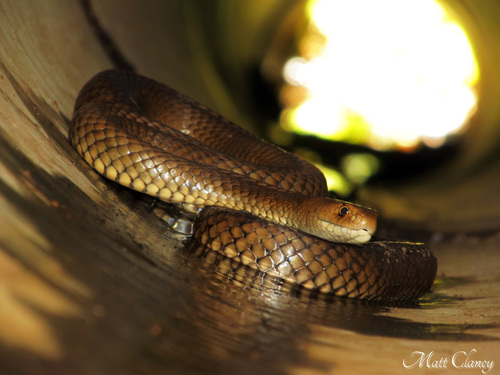
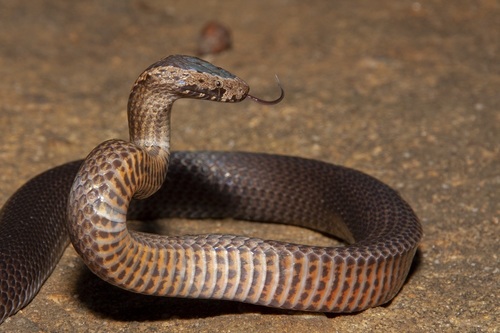
The closest relatives of the Red-bellied Black Snake that you can see in Blue Mountains National Park (family Elapidae, Elapid Snakes) are Highlands Copperhead (about 30%), Eastern Tiger Snake (about 20%) and Mustard-bellied Snake (about 20%), with each one's daily chance of a sighting.

Where does the Red-bellied Black Snake sighting chance come from?

GBIF citizen-science records

It is estimated from how often the Red-bellied Black Snake is recorded against all the reptiles logged in Blue Mountains National Park (124 verified sightings from 2019 to 2026), calibrated against known sighting rates. Figures are rounded to the nearest 10% because citizen-science data supports honest approximations, not decimals, and months with records from fewer than five people show "—". How it works.

← Back to Blue Mountains National Park