

Red-Faced Dragonlet

Red-Faced Dragonlet

Erythrodiplax fusca

Daily sighting probability ~30% · Possible
at Cockscomb Basin Wildlife Sanctuary

In 3 days ~60% in a week ~90%

8 Verified sightings at Cockscomb Basin Wildlife Sanctuary From 2019 to 2026
214 In all 16 parks
March Best month
☀️ Diurnal When it's spotted

About the Red-Faced Dragonlet

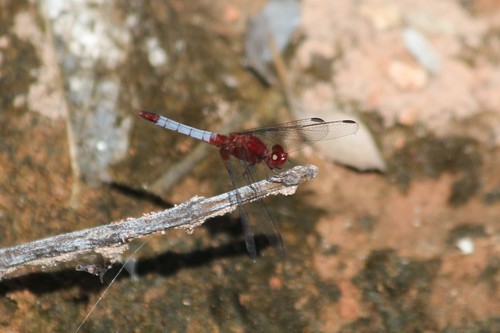
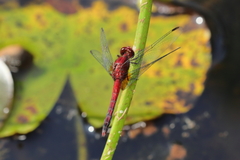
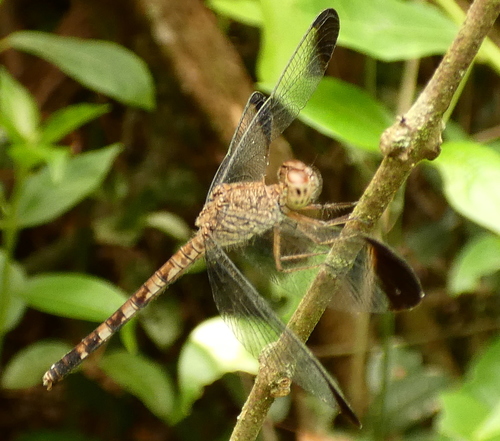
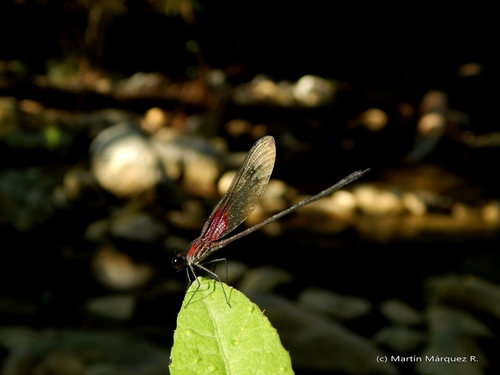
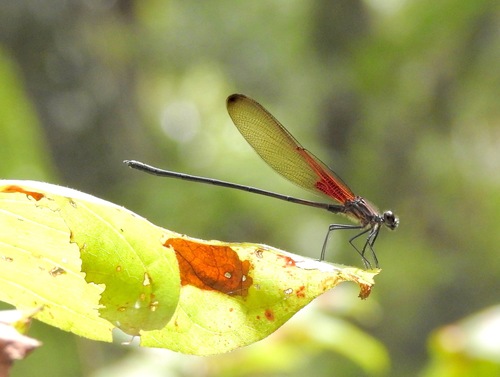
Erythrodiplax fusca, the red-faced dragonlet, is a species of skimmer in the dragonfly family Libellulidae. It is found in Central America, North America, and South America. The IUCN conservation status of Erythrodiplax fusca is "LC", least concern, with no immediate threat to the species' survival. The population is stable. The IUCN status was reviewed in 2017. Wikipedia →

Global Distribution

Parks Where Found

# Park Country Daily sighting probability
1 Cockscomb Basin Wildlife Sanctuary 🇧🇿 Belize
~30%
2 Biotopo Cerro Cahuí 🇬🇹 Guatemala
~30%
3 Piedras Blancas National Park 🇨🇷 Costa Rica
~20%
4 Bastimentos Island National Marine Park 🇵🇦 Panama
~10%
5 Cerro Azul Meámbar National Park 🇭🇳 Honduras
~10%
6 Corcovado National Park 🇨🇷 Costa Rica
~10%
7 Lago de Yojoa 🇭🇳 Honduras
~10%
8 Carara National Park 🇨🇷 Costa Rica
~10%
9 Tenorio Volcano National Park 🇨🇷 Costa Rica
~10%
10 La Amistad International Park (Panama) 🇵🇦 Panama
~10%
11 Iguazú National Park 🇦🇷 Argentina
~10%
12 Arenal Volcano National Park 🇨🇷 Costa Rica
~10%
13 Iguaçu National Park 🇧🇷 Brazil
~10%
14 Braulio Carrillo National Park 🇨🇷 Costa Rica
~10%
15 Manu National Park 🇵🇪 Peru
~10%
16 Soberanía National Park 🇵🇦 Panama
~10%

Cities Where Found

# City Country Daily sighting probability
1 Panama City 🇵🇦 Panama
<5%
2 Rio de Janeiro 🇧🇷 Brazil
<5%
3 São Paulo 🇧🇷 Brazil
<5%

Before you go

What are the chances of seeing a Red-Faced Dragonlet in Cockscomb Basin Wildlife Sanctuary?

Possible

About 30% of wildlife watchers report a Red-Faced Dragonlet sighting in Cockscomb Basin Wildlife Sanctuary on a given day, based on 8 verified sightings from GBIF citizen-science data from 2019 to 2026. It is the 3rd most-seen of the 15 insects we can rate there. Over three days the chance rises to about 60%, and over a week to about 90%, if each day is a fresh chance.

When is the best time to see a Red-Faced Dragonlet in Cockscomb Basin Wildlife Sanctuary?

February–April and December

In those months about 40% of wildlife watchers report a Red-Faced Dragonlet in Cockscomb Basin Wildlife Sanctuary on a given day, against under 5% in January and May–July, the lowest months. Those are among Cockscomb Basin Wildlife Sanctuary's driest months, with about 95 mm of rain a month against 300 mm in June. September has too few records to rate.

What time of day is best to see a Red-Faced Dragonlet?

Between 9 am and noon

Across all the parks we cover, that three-hour window holds the most Red-Faced Dragonlet sightings with a recorded time, and about 9 in 10 of them come between 6 am and 6 pm: it is a daytime animal.

Is Cockscomb Basin Wildlife Sanctuary the best place to see a Red-Faced Dragonlet?

Yes

Of the 16 parks where we can rate Red-Faced Dragonlet sightings, Cockscomb Basin Wildlife Sanctuary has the highest daily chance: about 30%. Next come Biotopo Cerro Cahuí (Guatemala, about 30%) and Piedras Blancas National Park (Costa Rica, about 20%).

Which relatives of the Red-Faced Dragonlet live in Cockscomb Basin Wildlife Sanctuary?

Same family: Libellulidae

The closest relatives of the Red-Faced Dragonlet that you can see in Cockscomb Basin Wildlife Sanctuary (family Libellulidae, Skimmers) are Tropical Woodskimmer (about 20%) and Slender Skimmer (about 20%), with each one's daily chance of a sighting.

Where does the Red-Faced Dragonlet sighting chance come from?

GBIF citizen-science records

It is estimated from how often the Red-Faced Dragonlet is recorded against all the insects logged in Cockscomb Basin Wildlife Sanctuary (8 verified sightings from 2019 to 2026), calibrated against known sighting rates. Figures are rounded to the nearest 10% because citizen-science data supports honest approximations, not decimals, and months with records from fewer than five people show "—". How it works.

← Back to Cockscomb Basin Wildlife Sanctuary