Wilson's Snipe

Wilson's Snipe

Gallinago delicata

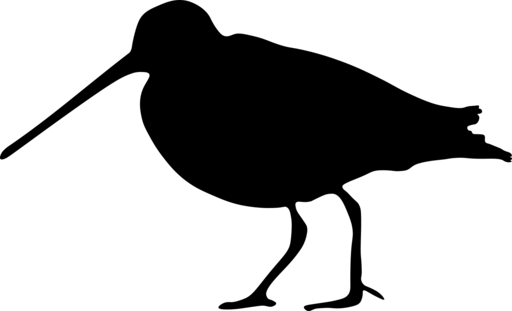
Silhouette: Jamie Whitehouse · PhyloPic

LCLeast ConcernNTVUENCR
Daily sighting probability ~20% · Possible
at Elk Island National Park

In 3 days ~60% in a week ~90%

224 Verified sightings at Elk Island National Park From 2019 to 2026
5,623 In all 47 parks
June Best month
☀️ Diurnal When it's spotted

About the Wilson's Snipe

Wilson's snipe (Gallinago delicata) is a small, stocky shorebird. The generic name Gallinago is Neo-Latin for a woodcock or snipe from Latin gallina, "hen" and the suffix -ago, "resembling". The specific name delicata is Latin for "dainty".

This species was considered to be a subspecies of the common snipe (G. gallinago) until 2003 when it was given its own species status, though not all authorities recognized this immediately. Wilson's snipe differs from the latter species in having a narrower white trailing edge to the wings, and eight pairs of tail feathers instead of the typical seven of the common snipe. Its common name commemorates the American ornithologist Alexander Wilson.

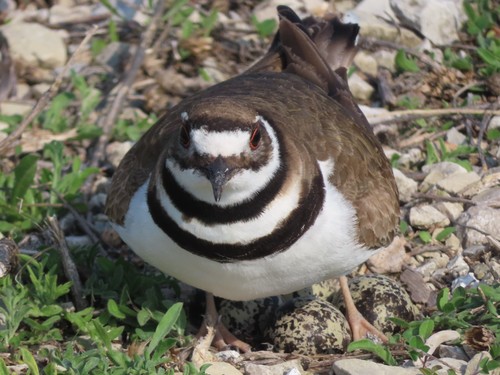
Adults are 23–28 cm (9.1–11.0 in) in length with a 39–45 cm (15–18 in) wingspan. Weight ranges from 2.8–5.2 oz (79–147 g). They have short greenish-grey legs and a very long straight dark bill. The body is mottled brown on top and pale underneath. They have a dark stripe through the eye, with light stripes above and below it. The wings are pointed.

They breed in marshes, bogs, tundra and wet meadows in Canada and the northern United States and on the Chukchi Peninsula... Wikipedia →

Sounds

Call0:24

Sweden · 2026

© Dag Österlund · XC1142921 · CC BY-NC-SA 4.0

Song0:50

Sweden · 2026

© Lars Edenius · XC1140279 · CC BY-NC-SA 4.0

Flight call0:08

Sweden · 2025

© Musse Björklund · XC999548 · CC BY-NC-SA 4.0

Global Distribution

Parks Where Found

# Park Country Daily sighting probability
1 Elk Island National Park 🇨🇦 Canada
~20%
2 Riding Mountain National Park 🇨🇦 Canada
~20%
3 Wrangell-St. Elias National Park 🇺🇸 United States
~20%
4 Gros Morne National Park 🇨🇦 Canada
~20%
5 Katmai National Park 🇺🇸 United States
~20%
6 Kluane National Park 🇨🇦 Canada
~20%
7 Merritt Island National Wildlife Refuge 🇺🇸 United States
~10%
8 Banff National Park 🇨🇦 Canada
~10%
9 Death Valley National Park 🇺🇸 United States
~10%
10 Wood Buffalo National Park 🇨🇦 Canada
~10%
11 Yellowstone National Park 🇺🇸 United States
~10%
12 Glacier National Park 🇺🇸 United States
~10%
13 Everglades National Park 🇺🇸 United States
<5%
14 Pacific Rim National Park Reserve 🇨🇦 Canada
<5%
15 Grand Teton National Park 🇺🇸 United States
<5%
16 Kenai Fjords National Park 🇺🇸 United States
<5%
17 Denali National Park 🇺🇸 United States
<5%
18 Padre Island National Seashore 🇺🇸 United States
<5%
19 Jasper National Park 🇨🇦 Canada
<5%
20 Isle Royale National Park 🇺🇸 United States
<5%
21 Rocky Mountain National Park 🇺🇸 United States
<5%
22 Big Cypress National Preserve 🇺🇸 United States
<5%
23 Isla del Coco National Park 🇨🇷 Costa Rica
<5%
24 Piedras Blancas National Park 🇨🇷 Costa Rica
<5%
25 Great Bear Rainforest 🇨🇦 Canada
<5%
26 Redwood National Park 🇺🇸 United States
<5%
27 Celestún Biosphere Reserve 🇲🇽 Mexico
<5%
28 El Vizcaíno Biosphere Reserve 🇲🇽 Mexico
<5%
29 Big Bend National Park 🇺🇸 United States
<5%
30 Voyageurs National Park 🇺🇸 United States
<5%
31 Cape Breton Highlands National Park 🇨🇦 Canada
<5%
32 Point Pelee National Park 🇨🇦 Canada
<5%
33 Caroni Swamp 🇹🇹 Trinidad and Tobago
<5%
34 Olympic National Park 🇺🇸 United States
<5%
35 Shenandoah National Park 🇺🇸 United States
<5%
36 Arrecifes de Cozumel National Park 🇲🇽 Mexico
<5%
37 Palo Verde National Park 🇨🇷 Costa Rica
<5%
38 Grand Canyon National Park 🇺🇸 United States
<5%
39 Bahía de Loreto National Park 🇲🇽 Mexico
<5%
40 Ciénaga de Zapata 🇨🇺 Cuba
<5%
41 Channel Islands National Park 🇺🇸 United States
<5%
42 Saguaro National Park 🇺🇸 United States
<5%
43 Braulio Carrillo National Park 🇨🇷 Costa Rica
<5%
44 La Amistad International Park (Panama) 🇵🇦 Panama
<5%
45 Great Smoky Mountains National Park 🇺🇸 United States
<5%
46 Acadia National Park 🇺🇸 United States
<5%
47 Soberanía National Park 🇵🇦 Panama
<5%

Cities Where Found

# City Country Daily sighting probability
1 Mesa 🇺🇸 United States
~10%
2 Anchorage 🇺🇸 United States
~10%
3 Toluca 🇲🇽 México
~10%
4 Calgary 🇨🇦 Canada
<5%
5 Miami 🇺🇸 United States
<5%
6 Seattle 🇺🇸 United States
<5%
7 Torreón 🇲🇽 México
<5%
8 Vancouver 🇨🇦 Canada
<5%
9 Denver 🇺🇸 United States
<5%
10 San Francisco 🇺🇸 United States
<5%

Before you go

What are the chances of seeing a Wilson's Snipe in Elk Island National Park?

Possible

About 20% of wildlife watchers report a Wilson's Snipe sighting in Elk Island National Park on a given day, based on 224 verified sightings from GBIF citizen-science data from 2019 to 2026. It is the 43rd most-seen of the 161 birds we can rate there. Over three days the chance rises to about 60%, and over a week to about 90%, if each day is a fresh chance.

When is the best time to see a Wilson's Snipe in Elk Island National Park?

May and June

In those months about 40% of wildlife watchers report a Wilson's Snipe in Elk Island National Park on a given day, against under 5% in February and August, the lowest months. Those are among Elk Island National Park's wettest months, with about 90 mm of rain a month against 20 mm in December.

What time of day is best to see a Wilson's Snipe?

Between 9 am and noon

Across all the parks we cover, that three-hour window holds the most Wilson's Snipe sightings with a recorded time, and about 9 in 10 of them come between 6 am and 6 pm: it is a daytime animal.

Is Elk Island National Park the best place to see a Wilson's Snipe?

Yes

Of the 47 parks where we can rate Wilson's Snipe sightings, Elk Island National Park has the highest daily chance: about 20%. Next come Riding Mountain National Park (Canada, about 20%) and Wrangell-St. Elias National Park (United States, about 20%).

Which relatives of the Wilson's Snipe live in Elk Island National Park?

Same family: Scolopacidae

The closest relatives of the Wilson's Snipe that you can see in Elk Island National Park (family Scolopacidae, Sandpipers and Allies) are Spotted Sandpiper (about 10%), Solitary Sandpiper (about 10%) and Lesser Yellowlegs (about 10%), with each one's daily chance of a sighting.

Where does the Wilson's Snipe sighting chance come from?

GBIF citizen-science records

It is estimated from how often the Wilson's Snipe is recorded against all the birds logged in Elk Island National Park (224 verified sightings from 2019 to 2026), calibrated against known sighting rates. Figures are rounded to the nearest 10% because citizen-science data supports honest approximations, not decimals, and months with records from fewer than five people show "—". How it works.

← Back to Elk Island National Park