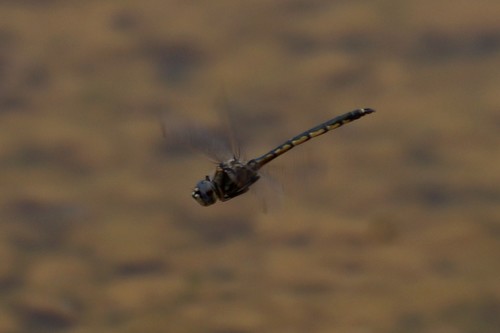
Wandering Percher

Wandering Percher

Diplacodes bipunctata

Daily sighting probability ~10% · With luck
at Royal National Park

In 3 days ~30% in a week ~60%

19 Verified sightings at Royal National Park From 2019 to 2026
320 In all 13 parks
October Best month
☀️ Diurnal When it's spotted

About the Wandering Percher

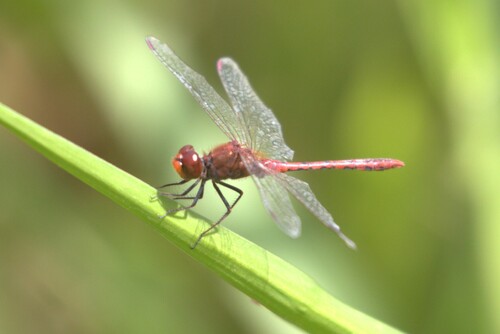
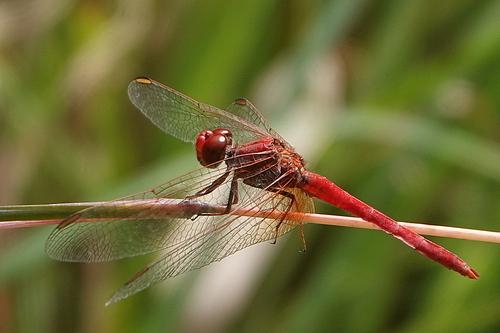
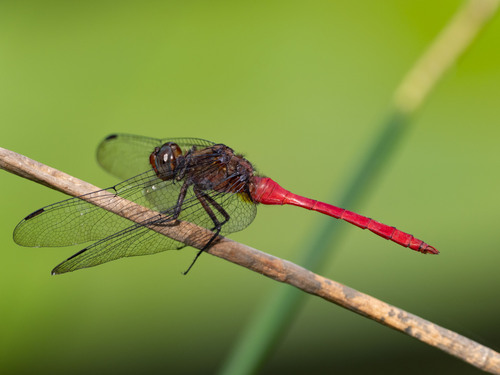
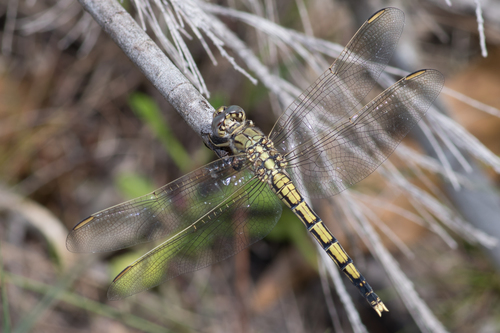
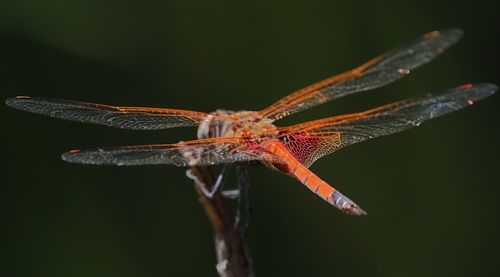
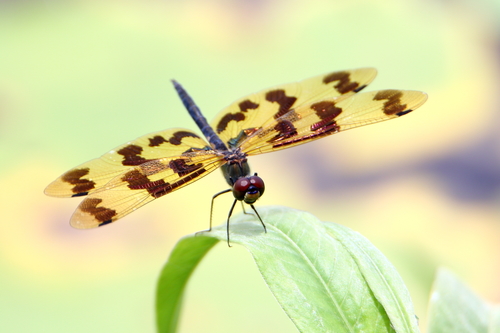
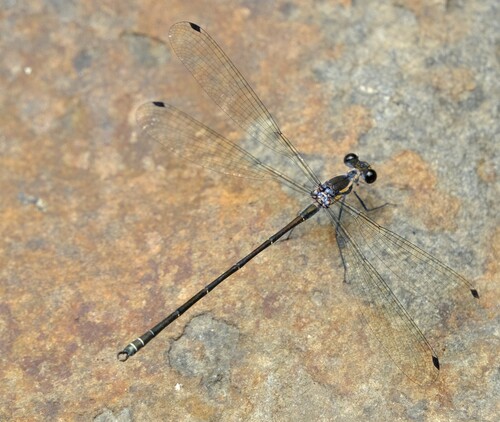
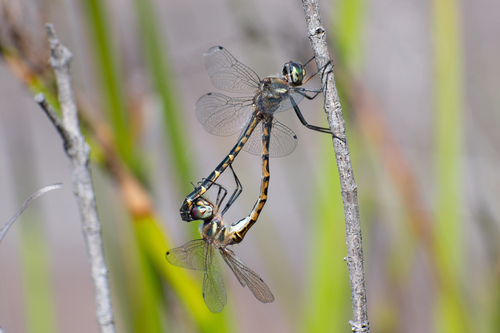
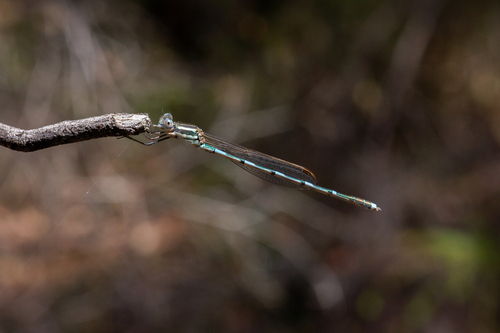
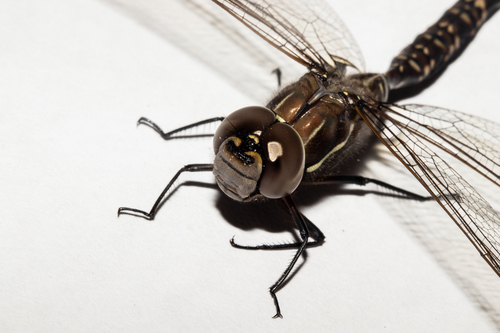
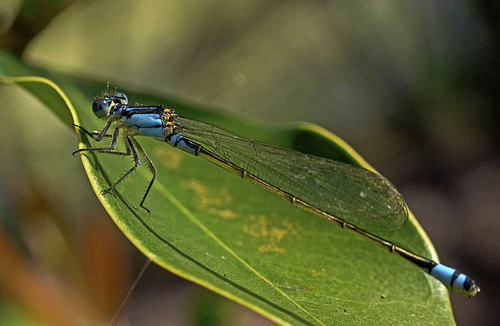
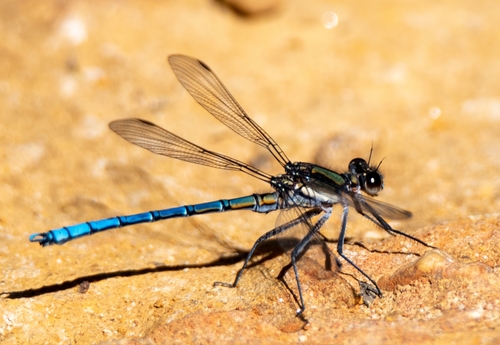
Diplacodes bipunctata (Māori: tiemiemi) is a species of dragonfly in the family Libellulidae, known as the wandering percher or red percher dragonfly. Diplacodes bipunctata is a small to medium-sized dragonfly with a wingspan of about 55 millimeters. The wings are colorless except for a yellowish spot at the base of the hindwing. The male has a bright orange or red abdomen with dark markings along the dorsal line and sides, and the female is yellowish with similar markings. There are two dark spots at the side of the synthorax, one of which is the metastigma.

Diplacodes bipunctata is a widespread species occurring in New Zealand and in a number of islands in the south-Pacific. In New Zealand it is most common in Northland, but occasional specimens have been found as south as Fiordland. In Australia it is found throughout the continent except in Tasmania. It is found near a wide variety of freshwater pools, streams and swamps.

This species is an early colonizer of appropriate habitat types in freshwater and brackish waters. The genus name Diplacodes combines Diplax, a genus name derived from the Greek δίς (dis, "twice") and... Wikipedia →

Global Distribution

Parks Where Found

# Park Country Daily sighting probability
1 Hattah-Kulkyne National Park 🇦🇺 Australia
~30%
2 Grampians National Park 🇦🇺 Australia
~30%
3 Kakadu National Park 🇦🇺 Australia
~20%
4 Flinders Ranges National Park 🇦🇺 Australia
~20%
5 Litchfield National Park 🇦🇺 Australia
~20%
6 Great Otway National Park 🇦🇺 Australia
~10%
7 Blue Mountains National Park 🇦🇺 Australia
~10%
8 Royal National Park 🇦🇺 Australia
~10%
9 Lamington National Park 🇦🇺 Australia
~10%
10 Noosa National Park 🇦🇺 Australia
~10%
11 Ningaloo Marine Park 🇦🇺 Australia
~10%
12 Springbrook National Park 🇦🇺 Australia
~10%
13 Daintree National Park 🇦🇺 Australia
~10%

Cities Where Found

# City Country Daily sighting probability
1 Brisbane 🇦🇺 Australia
~20%
2 Perth 🇦🇺 Australia
~20%
3 Melbourne 🇦🇺 Australia
~20%
4 Sydney 🇦🇺 Australia
~10%

Before you go

What are the chances of seeing a Wandering Percher in Royal National Park?

With luck

About 10% of wildlife watchers report a Wandering Percher sighting in Royal National Park on a given day, based on 19 verified sightings from GBIF citizen-science data from 2019 to 2026. It is the 50th most-seen of the 175 insects we can rate there. Over three days the chance rises to about 30%, and over a week to about 60%, if each day is a fresh chance.

When is the best time to see a Wandering Percher in Royal National Park?

March and September–October

In those months about 20% of wildlife watchers report a Wandering Percher in Royal National Park on a given day, against under 5% in May to August, the lowest months.

What time of day is best to see a Wandering Percher?

Between 11 am and 2 pm

Across all the parks we cover, that three-hour window holds the most Wandering Percher sightings with a recorded time, and about 9 in 10 of them come between 6 am and 6 pm: it is a daytime animal.

Where does the Wandering Percher sighting chance come from?

GBIF citizen-science records

It is estimated from how often the Wandering Percher is recorded against all the insects logged in Royal National Park (19 verified sightings from 2019 to 2026), calibrated against known sighting rates. Figures are rounded to the nearest 10% because citizen-science data supports honest approximations, not decimals, and months with records from fewer than five people show "—". How it works.

← Back to Royal National Park