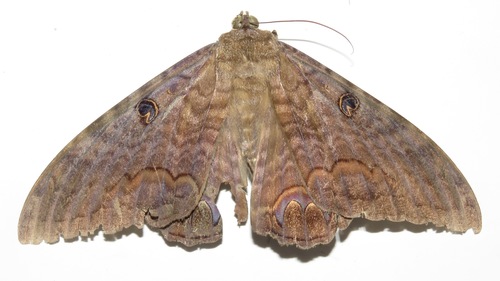
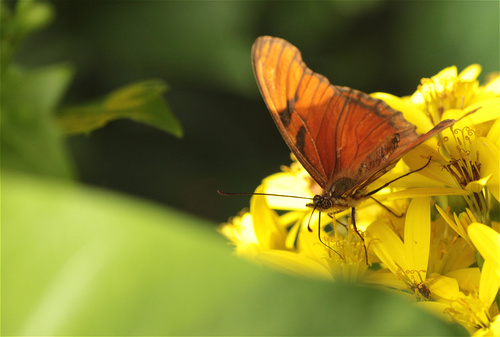
Urania Swallowtail Moth

Urania Swallowtail Moth

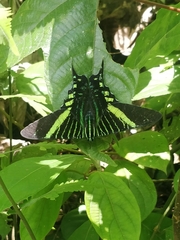
Urania fulgens

Daily sighting probability ~10% · With luck
at Medellín

In 3 days ~30% in a week ~50%

35 Verified sightings at Medellín
453 In all 20 parks From 2019 to 2026
July Best month
☀️ Diurnal When it's spotted

About the Urania Swallowtail Moth

Urania fulgens, the urania swallowtail moth or green page moth, is a day-flying moth of the family Uraniidae. The species was first described by Francis Walker in 1854. It is found from Veracruz, Mexico, through Central America to northwestern South America (west of the Andes and south to Ecuador). It is highly migratory and has been recorded as a vagrant to the US state of Texas.

It is sometimes confused with the similar U. leilus, but that species is found east of the Andes in South America, is slightly larger, and has more white to the "tail". The two have been treated as conspecific. As appears to be the case for all Urania, the larvae of U. fulgens feed exclusively on the toxic Omphalea species. Wikipedia →

Global Distribution

Parks Where Found

# Park Country Daily sighting probability
1 Corcovado National Park 🇨🇷 Costa Rica
~40%
2 Utría National Natural Park 🇨🇴 Colombia
~40%
3 Carara National Park 🇨🇷 Costa Rica
~30%
4 Piedras Blancas National Park 🇨🇷 Costa Rica
~30%
5 Coiba National Park 🇵🇦 Panama
~30%
6 Manuel Antonio National Park 🇨🇷 Costa Rica
~20%
7 Darién National Park 🇵🇦 Panama
~20%
8 Gandoca-Manzanillo Wildlife Refuge 🇨🇷 Costa Rica
~20%
9 Tortuguero National Park 🇨🇷 Costa Rica
~20%
10 Marino Ballena National Park 🇨🇷 Costa Rica
~20%
11 Bastimentos Island National Marine Park 🇵🇦 Panama
~20%
12 Cahuita National Park 🇨🇷 Costa Rica
~10%
13 Cabo Blanco Absolute Nature Reserve 🇨🇷 Costa Rica
~10%
14 La Amistad International Park (Panama) 🇵🇦 Panama
~10%
15 Braulio Carrillo National Park 🇨🇷 Costa Rica
~10%
16 Soberanía National Park 🇵🇦 Panama
~10%
17 Tapantí-Macizo de la Muerte National Park 🇨🇷 Costa Rica
~10%
18 Arenal Volcano National Park 🇨🇷 Costa Rica
~10%
19 Parque Natural Metropolitano 🇵🇦 Panama
~10%
20 Monteverde Cloud Forest Reserve 🇨🇷 Costa Rica
<5%

Cities Where Found

# City Country Daily sighting probability
1 Medellín 🇨🇴 Colombia
~10%
2 Panama City 🇵🇦 Panama
~10%
3 San José 🇨🇷 Costa Rica
~10%

Before you go

What are the chances of seeing an Urania Swallowtail Moth in Medellín?

With luck

About 10% of wildlife watchers report an Urania Swallowtail Moth sighting in Medellín on a given day, based on 35 verified sightings from GBIF citizen-science data. It is the 28th most-seen of the 175 insects we can rate there. Over three days the chance rises to about 30%, and over a week to about 50%, if each day is a fresh chance.

When is the best time to see an Urania Swallowtail Moth in Medellín?

January and July

In those months about 20% of wildlife watchers report an Urania Swallowtail Moth in Medellín on a given day, against under 5% in March–April, September and November, the lowest months.

What time of day is best to see an Urania Swallowtail Moth?

Between 9 am and noon

Across all the parks we cover, that three-hour window holds the most Urania Swallowtail Moth sightings with a recorded time, and about 8 in 10 of them come between 6 am and 6 pm: it is a daytime animal.

Is Medellín the best place to see an Urania Swallowtail Moth?

Yes

Of the 3 cities where we can rate Urania Swallowtail Moth sightings, Medellín has the highest daily chance: about 10%. Next come Panama City (Panama, about 10%) and San José (Costa Rica, about 10%).

Which relatives of the Urania Swallowtail Moth live in Medellín?

Same order: Lepidoptera

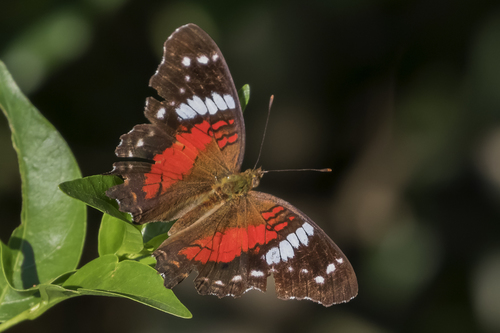
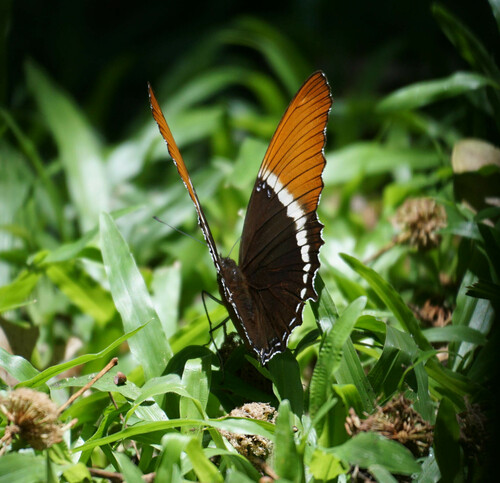
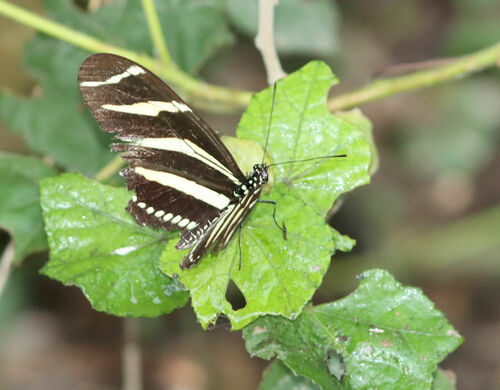
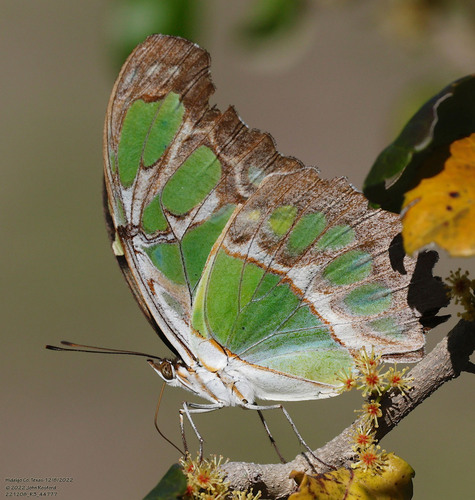
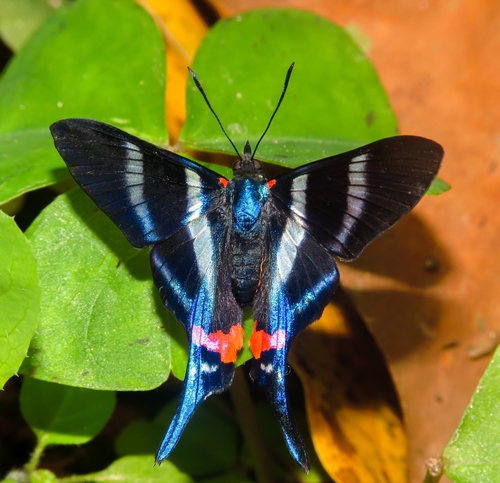
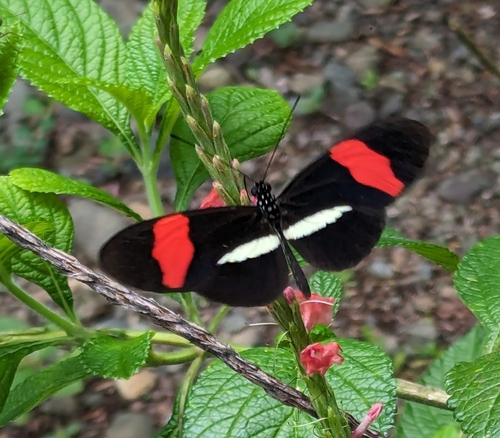
The closest relatives of the Urania Swallowtail Moth that you can see in Medellín (order Lepidoptera, Butterflies and Moths) are Monarch (about 40%), Red Peacock (about 30%) and Rusty-Tipped Page (about 30%), with each one's daily chance of a sighting.

Where does the Urania Swallowtail Moth sighting chance come from?

GBIF citizen-science records

It is estimated from how often the Urania Swallowtail Moth is recorded against all the insects logged in Medellín (35 verified sightings), calibrated against known sighting rates. Figures are rounded to the nearest 10% because citizen-science data supports honest approximations, not decimals, and months with records from fewer than five people show "—". How it works.
← Back to Medellín