


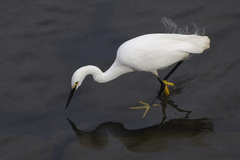
Completed


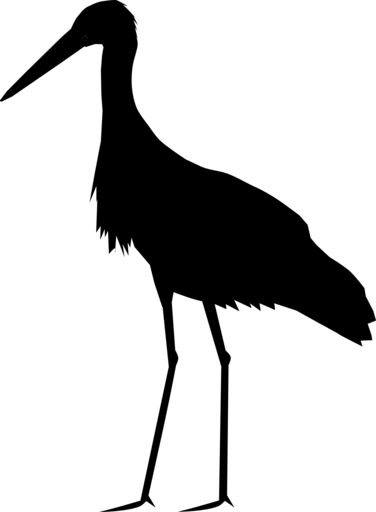
White Stork
Ciconia ciconia
Silhouette: L. Shyamal · PhyloPic
- KingdomAnimalia (Animals)
- PhylumChordata (Chordates)
- ClassAves (Birds)
- OrderCiconiiformes (Storks)
- FamilyCiconiidae (Storks)
- GenusCiconia (Ciconia Storks)
- SpeciesCiconia ciconia (White Stork)
In 3 days ~70% in a week >90%
2,106 Verified sightings at Sierra de Guadarrama National Park From 2019 to 2026
14,069 In all 42 parks
March Best month
☀️ Diurnal When it's spotted
About the White Stork
The white stork (Ciconia ciconia) is a large bird in the stork family, Ciconiidae. Its plumage is mainly white, with black on the bird's wings. Adults have long red legs and long pointed red beaks, and measure on average 100–115 cm (39–45 in) from beak tip to end of tail, with a 155–215 cm (61–85 in) wingspan. The two subspecies, which differ slightly in size, breed in Europe north to Finland, northwestern Africa, Palearctic east to southern Kazakhstan and southern Africa. The white stork is a long-distance migrant, wintering in Africa from tropical Sub-Saharan Africa to as far south as South Africa, or on the Indian subcontinent. When migrating between Europe and Africa, it avoids crossing the Mediterranean Sea and detours via the Levant in the east or the Strait of Gibraltar in the west, because the air thermals on which it depends for soaring do not form over water.
A carnivore, the white stork eats a wide range of animal prey, including insects, fish, amphibians, reptiles, small mammals and small birds. It takes most of its food from the ground, among low vegetation, and from shallow water. It is a monogamous breeder, and both members of the pair build a large stick nest, which may be used for several years. Each year the female can lay one clutch of usually four eggs, which hatch asynchronously 33–34 days after being laid. Both parents take turns incubating the eggs and both feed the young. The young leave the nest 58–64 days after hatching, and continue to be fed by the parents for a further 7–20 days.
The white stork has been rated as least concern by the International Union for Conservation of Nature (IUCN). It benefited from human activities during the Middle Ages as woodland was cleared, but changes in farming methods and industrialisation saw it decline and disappear from parts of Europe in the 19th and early 20th centuries. Conservation and reintroduction programs across Europe have resulted in the white stork resuming breeding in the Netherlands, Belgium, Switzerland, Sweden and the United Kingdom. It has few natural predators, but may harbour several types of parasite; the plumage is home to chewing lice and feather mites, while the large nests maintain a diverse range of mesostigmatic mites. This conspicuous species has given rise to many legends across its range, of which the best-known is the story of babies being brought by storks. Wikipedia →
Recent sightings of White Stork in Sierra de Guadarrama National Park
LIVEiNaturalistGlobal Distribution
Parks Where Found
Cities Where Found
| # | City | Country | Daily sighting probability |
|---|---|---|---|
| 1 | Fez | 🇲🇦 Morocco | |
| 2 | Rabat | 🇲🇦 Morocco | |
| 3 | Marrakesh | 🇲🇦 Morocco | |
| 4 | Yerevan | 🇦🇲 Armenia | |
| 5 | Tangier | 🇲🇦 Morocco | |
| 6 | Amsterdam | 🇳🇱 Netherlands | |
| 7 | Madrid | 🇪🇸 Spain | |
| 8 | Rotterdam [The Hague] | 🇳🇱 Netherlands | |
| 9 | Casablanca | 🇲🇦 Morocco | |
| 10 | Tunis | 🇹🇳 Tunisia |
Zoos & Centres Where Found
| # | Zoo / Centre | Country | |
|---|---|---|---|
| 1 | Disney's Animal Kingdom | 🇺🇸 United States | |
| 2 | Pairi Daiza | 🇧🇪 Belgium | |
| 3 | Prague Zoo | 🇨🇿 Czechia | |
| 4 | National Zoological Park | 🇺🇸 United States | |
| 5 | ZooParc de Beauval | 🇫🇷 France | |
| 6 | Copenhagen Zoo | 🇩🇰 Denmark | |
| 7 | Natura Artis Magistra | 🇳🇱 Netherlands | |
| 8 | Dresden Zoo | 🇩🇪 Germany | |
| 9 | Planckendael Zoo | 🇧🇪 Belgium | |
| 10 | Barcelona Zoo | 🇪🇸 Spain | |
| 11 | Bellewaerde | 🇧🇪 Belgium | |
| 12 | Le Pal | 🇫🇷 France | |
| 13 | Zlín-Lešná Zoo | 🇨🇿 Czechia | |
| 14 | Dvůr Králové Zoo | 🇨🇿 Czechia | |
| 15 | Réserve africaine de Sigean | 🇫🇷 France | |
| 16 | Parc des oiseaux | 🇫🇷 France | |
| 17 | Zoo Hluboka | 🇨🇿 Czechia | |
| 18 | Zoo de Doué | 🇫🇷 France | |
| 19 | Kaliningrad Zoo | 🇷🇺 Russia | |
| 20 | Hodonín Zoo | 🇨🇿 Czechia | |
| 21 | Zoobotánico Jerez | 🇪🇸 Spain | |
| 22 | La Tanière | 🇫🇷 France | |
| 23 | Nordens Ark | 🇸🇪 Sweden | |
| 24 | Zoo d'Amiens | 🇫🇷 France | |
| 25 | Zoo Miami | 🇺🇸 United States | |
| 26 | San Diego Zoo Safari Park | 🇺🇸 United States | |
| 27 | Whipsnade Zoo | 🇬🇧 United Kingdom | |
| 28 | Safaripark Beekse Bergen | 🇳🇱 Netherlands | |
| 29 | African Lion Safari | 🇨🇦 Canada | |
| 30 | Safari West | 🇺🇸 United States | |
| 31 | Domaine des Grottes de Han | 🇧🇪 Belgium | |
| 32 | Knowsley Safari Park | 🇬🇧 United Kingdom | |
| 33 | Watatunga Wildlife Reserve | 🇬🇧 United Kingdom | |
| 34 | Wildpark Alte Fasanerie | 🇩🇪 Germany | |
| 35 | Haute Touche Zoological Park | 🇫🇷 France | |
| 36 | Wisentgehege Springe | 🇩🇪 Germany | |
| 37 | Brookfield Zoo | 🇺🇸 United States | |
| 38 | Wildpark-MV | 🇩🇪 Germany | |
| 39 | Omaha’s Henry Doorly Zoo and Aquarium | 🇺🇸 United States | |
| 40 | Cumberland Wildpark Grünau | 🇦🇹 Austria | |
| 41 | Dallas Zoo | 🇺🇸 United States | |
| 42 | The Maryland Zoo | 🇺🇸 United States | |
| 43 | Detroit Zoo | 🇺🇸 United States | |
| 44 | Silesian Zoological Garden | 🇵🇱 Poland | |
| 45 | Wildpark Gangelt | 🇩🇪 Germany | |
| 46 | Wildpark Poing | 🇩🇪 Germany | |
| 47 | Birmingham Zoo | 🇺🇸 United States | |
| 48 | Wildpark Schwarze Berge | 🇩🇪 Germany | |
| 49 | Africam Safari | 🇲🇽 Mexico | |
| 50 | Louisville Zoo | 🇺🇸 United States |
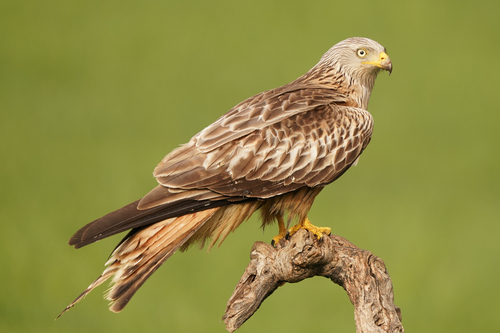
Closest Relatives at Sierra de Guadarrama National Park







Before you go
What are the chances of seeing a White Stork in Sierra de Guadarrama National Park?
Likely
About 40% of wildlife watchers report a White Stork sighting in Sierra de Guadarrama National Park on a given day, based on 2,106 verified sightings from GBIF citizen-science data from 2019 to 2026. It is the 19th most-seen of the 202 birds we can rate there. Over three days the chance rises to about 70%, and over a week to over 90%, if each day is a fresh chance.
When is the best time to see a White Stork in Sierra de Guadarrama National Park?
March
In that month about 60% of wildlife watchers report a White Stork in Sierra de Guadarrama National Park on a given day, against about 10% in September and October, the lowest months.
What time of day is best to see a White Stork?
Between 9 am and noon
Across all the parks we cover, that three-hour window holds the most White Stork sightings with a recorded time, and about 8 in 10 of them come between 6 am and 6 pm: it is a daytime animal.
Is Sierra de Guadarrama National Park the best place to see a White Stork?
7th of 42
Of the 42 parks where we can rate White Stork sightings, Sierra de Guadarrama National Park ranks 7th at about 40%. The best odds are in Doñana National Park (Spain, about 60%), Biebrza National Park (Poland, about 50%) and Monfragüe National Park (Spain, about 50%). All parks ranked.
Where does the White Stork sighting chance come from?
GBIF citizen-science records
It is estimated from how often the White Stork is recorded against all the birds logged in Sierra de Guadarrama National Park (2,106 verified sightings from 2019 to 2026), calibrated against known sighting rates. Figures are rounded to the nearest 10% because citizen-science data supports honest approximations, not decimals, and months with records from fewer than five people show "—". How it works.
