



Completed


Common Bulbul
Pycnonotus barbatus
Silhouette: Andy Wilson · PhyloPic
- KingdomAnimalia (Animals)
- PhylumChordata (Chordates)
- ClassAves (Birds)
- OrderPasseriformes (Perching Birds)
- FamilyPycnonotidae (Bulbuls)
- GenusPycnonotus (Typical Bulbuls)
- SpeciesPycnonotus barbatus (Common Bulbul)
In 3 days ~90% in a week >90%
168 Verified sightings at Dakar
31,843 In all 50 parks From 2019 to 2026
June Best month
☀️ Diurnal When it's spotted
About the Common Bulbul
The common bulbul (Pycnonotus barbatus) is a member of the bulbul family of passerine birds. It is widespread throughout most of Africa except for the very arid areas, and has recently begun breeding in southernmost Spain. Ten subspecies are recognised based on the geographical variation in plumage. Some of these were formerly considered as separate species: Dodson's bulbul, the Somali bulbul and the dark-capped bulbul.
The common bulbul was formally described and illustrated in 1789 by the French botanist René Desfontaines from a specimen collected near Algiers in Algeria. He placed it with the thrushes in the genus Turdus and coined the binomial name Turdus barbatus. The common bulbul is now one of 31 species placed in the genus Pycnonotus that was introduced in 1826 by the German zoologist Friedrich Boie. The genus name combines the Ancient Greek πυκνος/puknos meaning "thick" or "compact" with -νωτος/-nōtos meaning "-backed". The specific epithet barbatus is Latin meaning bearded. Alternate names for the common bulbul include black-eyed bulbul, black-capped bulbul and common garden bulbul.
Ten subspecies are recognised. Several of these have sometimes... Wikipedia →
Recent sightings of Common Bulbul in Dakar
LIVEiNaturalistGlobal Distribution
Parks Where Found
Cities Where Found
| # | City | Country | Daily sighting probability |
|---|---|---|---|
| 1 | Lusaka | 🇿🇲 Zambia | |
| 2 | Marrakesh | 🇲🇦 Morocco | |
| 3 | Abuja | 🇳🇬 Nigeria | |
| 4 | Harare | 🇿🇼 Zimbabwe | |
| 5 | Yaoundé | 🇨🇲 Cameroon | |
| 6 | Serrekunda | 🇬🇲 Gambia | |
| 7 | Kigali | 🇷🇼 Rwanda | |
| 8 | Ouagadougou | 🇧🇫 Burkina Faso | |
| 9 | Brazzaville | 🇨🇬 Republic of the Congo | |
| 10 | Johannesburg | 🇿🇦 South Africa |
Zoos & Centres Where Found
| # | Zoo / Centre | Country | |
|---|---|---|---|
| 1 | San Diego Zoo | 🇺🇸 United States | |
| 2 | Sedgwick County Zoo | 🇺🇸 United States | |
| 3 | Toledo Zoo | 🇺🇸 United States | |
| 4 | Philadelphia Zoo | 🇺🇸 United States |
Closest Relatives at Dakar





Before you go
What are the chances of seeing a Common Bulbul in Dakar?
Likely
About 60% of wildlife watchers report a Common Bulbul sighting in Dakar on a given day, based on 168 verified sightings from GBIF citizen-science data. It is the 7th most-seen of the 152 birds we can rate there. Over three days the chance rises to about 90%, and over a week to over 90%, if each day is a fresh chance.
When is the best time to see a Common Bulbul in Dakar?
January, March and June
In those months about 70% of wildlife watchers report a Common Bulbul in Dakar on a given day, against about 40% in September and November, the lowest months. Those are among Dakar's driest months, with about 10 mm of rain a month against 190 mm in August.
What time of day is best to see a Common Bulbul?
Between 9 am and noon
Across all the parks we cover, that three-hour window holds the most Common Bulbul sightings with a recorded time, and about 9 in 10 of them come between 6 am and 6 pm: it is a daytime animal.
Is Dakar the best place to see a Common Bulbul?
29th of 42
Of the 42 cities where we can rate Common Bulbul sightings, Dakar ranks 29th at about 60%. The best odds are in Lusaka (Zambia, about 90%), Marrakesh (Morocco, about 90%) and Abuja (Nigeria, about 90%).
Which relatives of the Common Bulbul live in Dakar?
Same order: Passeriformes
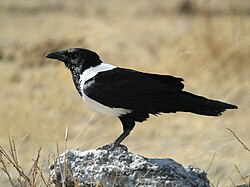
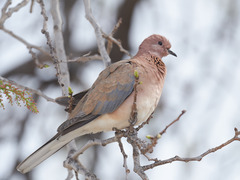
The closest relatives of the Common Bulbul that you can see in Dakar (order Passeriformes, Perching Birds) are Pied Crow (about 80%), House Sparrow (about 60%) and Red-billed Quelea (about 60%), with each one's daily chance of a sighting.
Where does the Common Bulbul sighting chance come from?
GBIF citizen-science records
It is estimated from how often the Common Bulbul is recorded against all the birds logged in Dakar (168 verified sightings), calibrated against known sighting rates. Figures are rounded to the nearest 10% because citizen-science data supports honest approximations, not decimals, and months with records from fewer than five people show "—". How it works.
