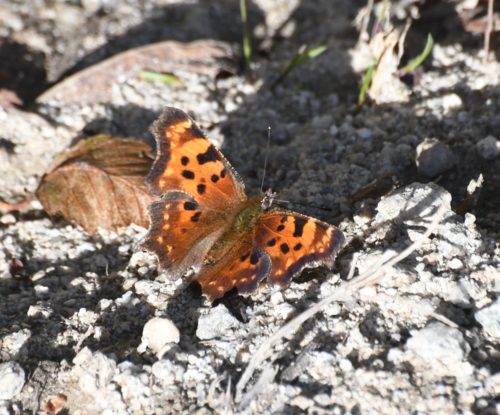
Mourning Cloak

Mourning Cloak

Nymphalis antiopa

Daily sighting probability ~30% · Possible
at Isle Royale National Park

In 3 days ~70% in a week ~90%

24 Verified sightings at Isle Royale National Park From 2019 to 2026
1,245 In all 43 parks
June Best month
☀️ Diurnal When it's spotted

About the Mourning Cloak

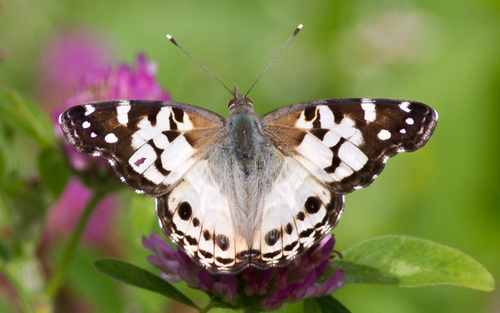
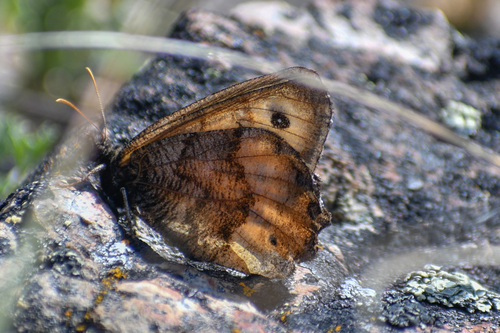
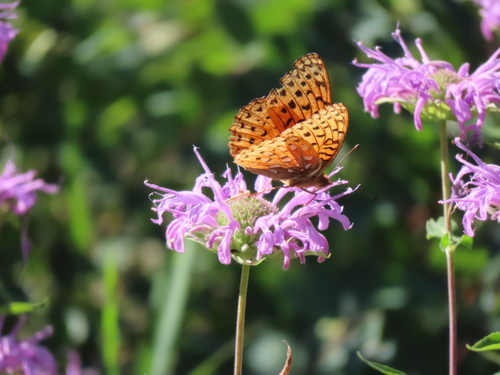
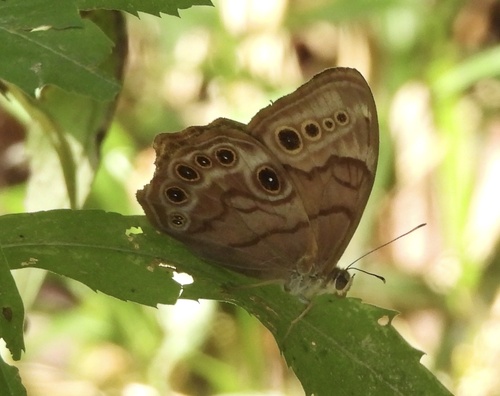
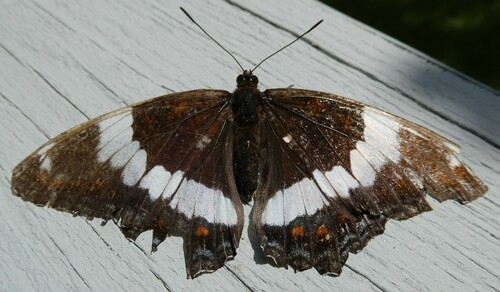
Nymphalis antiopa, known as the mourning cloak in North America and the Camberwell beauty in Britain, is a large butterfly native to Eurasia and North America. The immature form of this species is sometimes known as the spiny elm caterpillar. Other older names for this species include grand surprise and white petticoat. A powerful flier, this species is sometimes found in areas far from its usual range during migration.

These butterflies have a lifespan of 11 to 12 months, one of the longest lifespans for any butterfly. It is the state insect of the U.S. state of Montana, adopted in 2001. The specific epithet antiopa is thought to be derived from Antiope, a common name in Greek mythology.

In several European countries with Germanic languages, other than Britain, the name for this butterfly literally translates to "mourning cloak", such as German "Trauermantel", Dutch "rouwmantel", Swedish "sorgmantel" and Norwegian "sørgekåpe". Finnish "suruvaippa" is also a calque of the Germanic names. This suggests it is a name which came with Scandinavian or German rather than with British settlers, for whom this species would be considerably... Wikipedia →

Global Distribution

Parks Where Found

# Park Country Daily sighting probability
1 Tatra National Park 🇸🇰 Slovakia
~40%
2 Aigüestortes National Park 🇪🇸 Spain
~30%
3 Elk Island National Park 🇨🇦 Canada
~30%
4 Isle Royale National Park 🇺🇸 United States
~30%
5 Nikko National Park 🇯🇵 Japan
~30%
6 Ordesa y Monte Perdido National Park 🇪🇸 Spain
~30%
7 Biebrza National Park 🇵🇱 Poland
~20%
8 Glacier National Park 🇺🇸 United States
~20%
9 Voyageurs National Park 🇺🇸 United States
~20%
10 Riding Mountain National Park 🇨🇦 Canada
~20%
11 Kluane National Park 🇨🇦 Canada
~20%
12 Jasper National Park 🇨🇦 Canada
~20%
13 Wrangell-St. Elias National Park 🇺🇸 United States
~20%
14 Białowieża National Park 🇵🇱 Poland
~20%
15 Zion National Park 🇺🇸 United States
~20%
16 Vanoise National Park 🇫🇷 France
~20%
17 Bavarian Forest National Park 🇩🇪 Germany
~20%
18 Banff National Park 🇨🇦 Canada
~20%
19 Reserva de la Biosfera Mariposa Monarca 🇲🇽 Mexico
~20%
20 Grand Teton National Park 🇺🇸 United States
~20%
21 Shenandoah National Park 🇺🇸 United States
~20%
22 Ecrins National Park 🇫🇷 France
~20%
23 Acadia National Park 🇺🇸 United States
~20%
24 Grand Canyon National Park 🇺🇸 United States
~20%
25 Denali National Park 🇺🇸 United States
~20%
26 Rocky Mountain National Park 🇺🇸 United States
~10%
27 Channel Islands National Park 🇺🇸 United States
~10%
28 Pyrénées National Park 🇫🇷 France
~10%
29 Yosemite National Park 🇺🇸 United States
~10%
30 Gros Morne National Park 🇨🇦 Canada
~10%
31 Hohe Tauern National Park 🇦🇹 Austria
~10%
32 Great Bear Rainforest 🇨🇦 Canada
~10%
33 Point Pelee National Park 🇨🇦 Canada
~10%
34 Congaree National Park 🇺🇸 United States
~10%
35 Mercantour National Park 🇫🇷 France
~10%
36 Pacific Rim National Park Reserve 🇨🇦 Canada
~10%
37 Yellowstone National Park 🇺🇸 United States
~10%
38 Sequoia and Kings Canyon National Parks 🇺🇸 United States
~10%
39 Olympic National Park 🇺🇸 United States
~10%
40 Cévennes National Park 🇫🇷 France
~10%
41 Death Valley National Park 🇺🇸 United States
~10%
42 Great Smoky Mountains National Park 🇺🇸 United States
~10%
43 Saguaro National Park 🇺🇸 United States
<5%

Cities Where Found

# City Country Daily sighting probability
1 Toluca 🇲🇽 México
~40%
2 Tijuana 🇲🇽 México
~30%
3 Edmonton 🇨🇦 Canada
~30%
4 Los Angeles 🇺🇸 United States
~20%
5 San Diego 🇺🇸 United States
~20%
6 Mexico City 🇲🇽 México
~20%
7 Toronto 🇨🇦 Canada
~20%
8 Calgary 🇨🇦 Canada
~20%
9 Puebla 🇲🇽 México
~10%
10 Montreal 🇨🇦 Canada
~10%

Before you go

What are the chances of seeing a Mourning Cloak in Isle Royale National Park?

Possible

About 30% of wildlife watchers report a Mourning Cloak sighting in Isle Royale National Park on a given day, based on 24 verified sightings from GBIF citizen-science data from 2019 to 2026. It is the 8th most-seen of the 48 insects we can rate there. Over three days the chance rises to about 70%, and over a week to about 90%, if each day is a fresh chance.

What time of day is best to see a Mourning Cloak?

Between noon and 3 pm

Across all the parks we cover, that three-hour window holds the most Mourning Cloak sightings with a recorded time, and about 9 in 10 of them come between 6 am and 6 pm: it is a daytime animal.

Which relatives of the Mourning Cloak live in Isle Royale National Park?

Same family: Nymphalidae

The closest relatives of the Mourning Cloak that you can see in Isle Royale National Park (family Nymphalidae, Brush-footed Butterflies) are Red-Spotted Admiral (about 40%), Monarch (about 30%) and American Lady (about 20%), with each one's daily chance of a sighting.

Where does the Mourning Cloak sighting chance come from?

GBIF citizen-science records

It is estimated from how often the Mourning Cloak is recorded against all the insects logged in Isle Royale National Park (24 verified sightings from 2019 to 2026), calibrated against known sighting rates. Figures are rounded to the nearest 10% because citizen-science data supports honest approximations, not decimals, and months with records from fewer than five people show "—". How it works.

← Back to Isle Royale National Park