


Completed
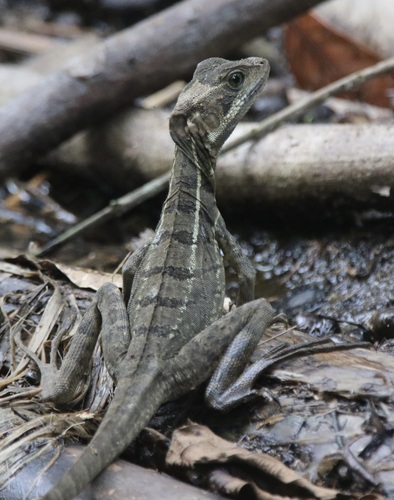


Common Basilisk
Basiliscus basiliscus
Silhouette: Jose Carlos Arenas-Monroy · PhyloPic
- KingdomAnimalia (Animals)
- PhylumChordata (Chordates)
- ClassSquamata
- FamilyCorytophanidae (Helmeted Lizards)
- GenusBasiliscus (Basilisks)
- SpeciesBasiliscus basiliscus (Common Basilisk)
In 3 days ~30% in a week ~60%
7 Verified sightings at Chirripó National Park From 2019 to 2026
2,624 In all 20 parks
April Best month
☀️ Diurnal When it's spotted
About the Common Basilisk
The common basilisk (Basiliscus basiliscus) is a species of lizard in the family Corytophanidae. The species is endemic to Central America and South America, where it is found near rivers and streams in rainforests. It is also known as the Jesus Christ lizard, Jesus lizard, South American Jesus lizard, or lagarto de Jesus Cristo for its ability to run on the surface of water.
The common basilisk can be distinguished from similar species within its range by its large size and the high fin-like crest along its back. Most common basilisks are brown and cream in color. Males also have high crests on the head and tail. Both genders are brown to olive, and have a white, cream, or yellow stripe on the upper lip and a second stripe along either side of the body; these stripes have higher contrast in juveniles and fade as the lizards age.
Hatchlings weigh a mere 2 grams (0.071 oz) and are 38 to 43 mm (1.5 to 1.7 in) long. Adults can grow to a total length (including tail) of 76 cm (2.5 feet). Females are generally 135 to 194 g (4.8 to 6.8 oz), and weigh half as much as males. The tail comprises 70 to 75% of the total length: for example, a 70-cm-long (27.5-inch-long) common... Wikipedia →
Recent sightings of Common Basilisk in Chirripó National Park
LIVEiNaturalistGlobal Distribution
Parks Where Found
| # | Park | Country | Daily sighting probability |
|---|---|---|---|
| 1 | Piedras Blancas National Park | 🇨🇷 Costa Rica | |
| 2 | Manuel Antonio National Park | 🇨🇷 Costa Rica | |
| 3 | Carara National Park | 🇨🇷 Costa Rica | |
| 4 | Corcovado National Park | 🇨🇷 Costa Rica | |
| 5 | Coiba National Park | 🇵🇦 Panama | |
| 6 | Marino Ballena National Park | 🇨🇷 Costa Rica | |
| 7 | Soberanía National Park | 🇵🇦 Panama | |
| 8 | Tayrona National Natural Park | 🇨🇴 Colombia | |
| 9 | Cabo Blanco Absolute Nature Reserve | 🇨🇷 Costa Rica | |
| 10 | Palo Verde National Park | 🇨🇷 Costa Rica | |
| 11 | Chagres National Park | 🇵🇦 Panama | |
| 12 | San Lorenzo Protected Forest | 🇵🇦 Panama | |
| 13 | Parque Natural Metropolitano | 🇵🇦 Panama | |
| 14 | Darién National Park | 🇵🇦 Panama | |
| 15 | Rincón de la Vieja National Park | 🇨🇷 Costa Rica | |
| 16 | Ostional Wildlife Refuge | 🇨🇷 Costa Rica | |
| 17 | Chirripó National Park | 🇨🇷 Costa Rica | |
| 18 | La Amistad International Park (Panama) | 🇵🇦 Panama | |
| 19 | Tapantí-Macizo de la Muerte National Park | 🇨🇷 Costa Rica | |
| 20 | Monteverde Cloud Forest Reserve | 🇨🇷 Costa Rica |
Cities Where Found
| # | City | Country | Daily sighting probability |
|---|---|---|---|
| 1 | Panama City | 🇵🇦 Panama | |
| 2 | Barranquilla | 🇨🇴 Colombia | |
| 3 | San José | 🇨🇷 Costa Rica | |
| 4 | Cali | 🇨🇴 Colombia | |
| 5 | Medellín | 🇨🇴 Colombia |
Zoos & Centres Where Found
| # | Zoo / Centre | Country | |
|---|---|---|---|
| 1 | Warsaw Zoo | 🇵🇱 Poland | |
| 2 | Taronga Zoo | 🇦🇺 Australia | |
| 3 | Kharkiv Zoo | 🇺🇦 Ukraine | |
| 4 | Grodno Zoo | 🇧🇾 Belarus | |
| 5 | Bergen Aquarium | 🇳🇴 Norway | |
| 6 | Aquarium River of Zaragoza | 🇪🇸 Spain | |
| 7 | Kharkiv Dolphinarium | 🇺🇦 Ukraine | |
| 8 | herpetarium warszawskiego ZOO | 🇵🇱 Poland | |
| 9 | akwarium warszawskiego ZOO | 🇵🇱 Poland | |
| 10 | hipopotamiarnia i akwarium morskie warszawskiego ZOO | 🇵🇱 Poland | |
| 11 | Tarpon Springs Aquarium | 🇺🇸 United States |
Closest Relatives at Chirripó National Park
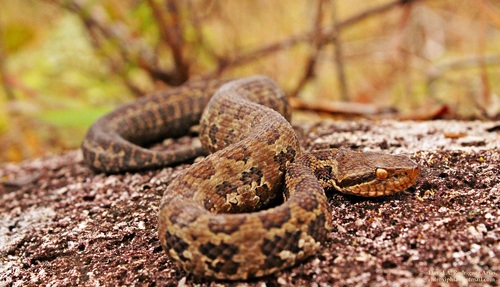
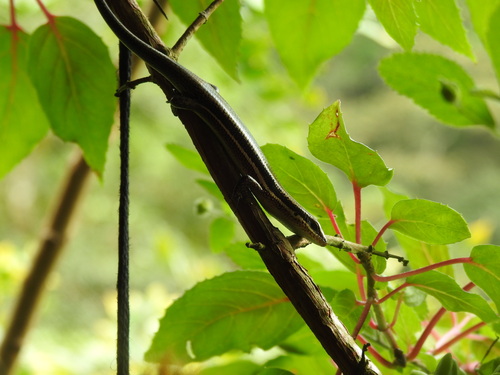
No species of the same family or order lives in Chirripó National Park, so these are its closest relatives here: other reptiles.







Before you go
What are the chances of seeing a Common Basilisk in Chirripó National Park?
With luck
About 10% of wildlife watchers report a Common Basilisk sighting in Chirripó National Park on a given day, based on 7 verified sightings from GBIF citizen-science data from 2019 to 2026. It is the 11th most-seen of the 17 reptiles we can rate there. Over three days the chance rises to about 30%, and over a week to about 60%, if each day is a fresh chance.
When is the best time to see a Common Basilisk in Chirripó National Park?
January and April–July
In those months about 20% of wildlife watchers report a Common Basilisk in Chirripó National Park on a given day, against under 5% in February–March and August–December, the lowest months.
What time of day is best to see a Common Basilisk?
Between 8 and 11 am
Across all the parks we cover, that three-hour window holds the most Common Basilisk sightings with a recorded time, and about 9 in 10 of them come between 6 am and 6 pm: it is a daytime animal.
Is Chirripó National Park the best place to see a Common Basilisk?
17th of 20
Of the 20 parks where we can rate Common Basilisk sightings, Chirripó National Park ranks 17th at about 10%. The best odds are in Piedras Blancas National Park (Costa Rica, about 80%), Manuel Antonio National Park (Costa Rica, about 80%) and Carara National Park (Costa Rica, about 70%). All parks ranked.
Where does the Common Basilisk sighting chance come from?
GBIF citizen-science records
It is estimated from how often the Common Basilisk is recorded against all the reptiles logged in Chirripó National Park (7 verified sightings from 2019 to 2026), calibrated against known sighting rates. Figures are rounded to the nearest 10% because citizen-science data supports honest approximations, not decimals, and months with records from fewer than five people show "—". How it works.
