Tree Pipit

Tree Pipit

Anthus trivialis

Silhouette: Sébastien Bertru · PhyloPic

LCLeast ConcernNTVUENCR
Daily sighting probability ~10% · With luck
at Bavarian Forest National Park

In 3 days ~20% in a week ~30%

64 Verified sightings at Bavarian Forest National Park From 2019 to 2026
3,219 In all 47 parks
June Best month
☀️ Diurnal When it's spotted

About the Tree Pipit

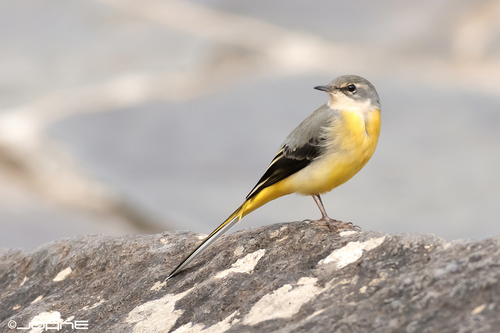
The tree pipit (Anthus trivialis) is a small passerine bird that breeds throughout most of Europe and the Palearctic as far east as the East Siberian Mountains. It is a long-distance migrant, migrating in winter to Africa and southern Asia. The scientific name is from Latin: anthus is the name of a small bird of grasslands, and the specific trivialis means "common".

The breeding habitat is open woodland and scrub. The nest is placed on the ground and usually 4–6 eggs are laid. This species is insectivorous like its relatives, but will also eat seeds. The tree pipit was formally described by the Swedish naturalist Carl Linnaeus in 1758 in the tenth edition of his Systema Naturae under the binomial name Alauda trivialis. Linnaeus noted that the species occurred in Sweden. The specific epithet trivialis is Latin meaning "common" or "ordinary" from Latin trivium meaning "public street". The tree pipit is now placed in the genus Anthus that was introduced in 1805 by the German naturalist Johann Matthäus Bechstein.

Two subspecies are recognised: Wikipedia →

Sounds

Call0:15

France · 2026

© Thierry THOMAS · XC1186300 · CC BY-NC-SA 4.0

Song0:33

Sweden · 2026

© Lars Edenius · XC1104620 · CC BY-NC-SA 4.0

Alarm call0:34

Spain · 2024

© Jacobo Ramil Millarengo · XC917776 · CC BY-NC-SA 4.0

Global Distribution

Parks Where Found

# Park Country Daily sighting probability
1 Mercantour National Park 🇫🇷 France
~40%
2 Vanoise National Park 🇫🇷 France
~20%
3 Cairngorms National Park 🇬🇧 United Kingdom
~20%
4 Hohe Tauern National Park 🇦🇹 Austria
~20%
5 Biebrza National Park 🇵🇱 Poland
~10%
6 Białowieża National Park 🇵🇱 Poland
~10%
7 Tatra National Park 🇸🇰 Slovakia
~10%
8 Picos de Europa National Park 🇪🇸 Spain
~10%
9 Ecrins National Park 🇫🇷 France
~10%
10 Kiskunság National Park 🇭🇺 Hungary
~10%
11 Bandhavgarh National Park 🇮🇳 India
~10%
12 Tsavo West National Park 🇰🇪 Kenya
~10%
13 Gir National Park 🇮🇳 India
~10%
14 Pyrénées National Park 🇫🇷 France
~10%
15 Cévennes National Park 🇫🇷 France
~10%
16 Satpura National Park 🇮🇳 India
~10%
17 Aigüestortes National Park 🇪🇸 Spain
~10%
18 Bavarian Forest National Park 🇩🇪 Germany
~10%
19 Gauja National Park 🇱🇻 Latvia
~10%
20 Ranthambore National Park 🇮🇳 India
<5%
21 Bale Mountains National Park 🇪🇹 Ethiopia
<5%
22 Hortobágy National Park 🇭🇺 Hungary
<5%
23 Keoladeo National Park 🇮🇳 India
<5%
24 Aberdare National Park 🇰🇪 Kenya
<5%
25 Kanha National Park 🇮🇳 India
<5%
26 Wadden Sea National Park 🇩🇪 Germany
<5%
27 Triglav National Park 🇸🇮 Slovenia
<5%
28 Plitvice Lakes National Park 🇭🇷 Croatia
<5%
29 Fertő-Hanság National Park 🇭🇺 Hungary
<5%
30 Snowdonia National Park 🇬🇧 United Kingdom
<5%
31 Ordesa y Monte Perdido National Park 🇪🇸 Spain
<5%
32 Camargue 🇫🇷 France
<5%
33 Ngorongoro Conservation Area 🇹🇿 Tanzania
<5%
34 Nairobi National Park 🇰🇪 Kenya
<5%
35 Kidepo Valley National Park 🇺🇬 Uganda
<5%
36 Jim Corbett National Park 🇮🇳 India
<5%
37 Sierra de Guadarrama National Park 🇪🇸 Spain
<5%
38 Masai Mara National Reserve 🇰🇪 Kenya
<5%
39 Sierra Nevada National Park 🇪🇸 Spain
<5%
40 Chitwan National Park 🇳🇵 Nepal
<5%
41 Nagarhole National Park 🇮🇳 India
<5%
42 Tsavo East National Park 🇰🇪 Kenya
<5%
43 Amboseli National Park 🇰🇪 Kenya
<5%
44 Serengeti National Park 🇹🇿 Tanzania
<5%
45 Lake Nakuru National Park 🇰🇪 Kenya
<5%
46 Monfragüe National Park 🇪🇸 Spain
<5%
47 Doñana National Park 🇪🇸 Spain
<5%

Cities Where Found

# City Country Daily sighting probability
1 Kalyan-Dombivli 🇮🇳 India
~10%
2 Kuwait City 🇰🇼 Kuwait
~10%
3 Nashik 🇮🇳 India
~10%
4 Abu Dhabi 🇦🇪 United Arab Emirates
~10%
5 Istanbul 🇹🇷 Turkey
~10%
6 Ludhiana 🇮🇳 India
~10%
7 Jerusalem 🇮🇱 Israel
~10%
8 Ramallah 🇵🇸 Palestine
~10%
9 Vasai-Virar 🇮🇳 India
~10%
10 Tel Aviv 🇮🇱 Israel
~10%

Before you go

What are the chances of seeing a Tree Pipit in Bavarian Forest National Park?

With luck

About 10% of wildlife watchers report a Tree Pipit sighting in Bavarian Forest National Park on a given day, based on 64 verified sightings from GBIF citizen-science data from 2019 to 2026. It is the 94th most-seen of the 170 birds we can rate there. Over three days the chance rises to about 20%, and over a week to about 30%, if each day is a fresh chance.

When is the best time to see a Tree Pipit in Bavarian Forest National Park?

June

In that month about 20% of wildlife watchers report a Tree Pipit in Bavarian Forest National Park on a given day, against under 5% in August to April, the lowest months.

What time of day is best to see a Tree Pipit?

Between 7 and 10 am

Across all the parks we cover, that three-hour window holds the most Tree Pipit sightings with a recorded time, and about 9 in 10 of them come between 6 am and 6 pm: it is a daytime animal.

Is Bavarian Forest National Park the best place to see a Tree Pipit?

18th of 47

Of the 47 parks where we can rate Tree Pipit sightings, Bavarian Forest National Park ranks 18th at about 10%. The best odds are in Mercantour National Park (France, about 40%), Vanoise National Park (France, about 20%) and Cairngorms National Park (United Kingdom, about 20%).

Where does the Tree Pipit sighting chance come from?

GBIF citizen-science records

It is estimated from how often the Tree Pipit is recorded against all the birds logged in Bavarian Forest National Park (64 verified sightings from 2019 to 2026), calibrated against known sighting rates. Figures are rounded to the nearest 10% because citizen-science data supports honest approximations, not decimals, and months with records from fewer than five people show "—". How it works.

← Back to Bavarian Forest National Park