


Completed

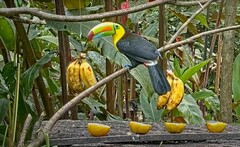
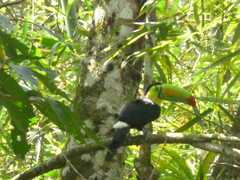

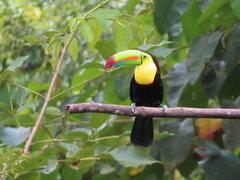

Keel-billed Toucan
Ramphastos sulfuratus
Silhouette: Gabriela Palomo-Munoz · PhyloPic
- KingdomAnimalia (Animals)
- PhylumChordata (Chordates)
- ClassAves (Birds)
- OrderPiciformes (Woodpeckers and Allies)
- FamilyRamphastidae (Toucans)
- GenusRamphastos (Large Toucans)
- SpeciesRamphastos sulfuratus (Keel-billed Toucan)
In 3 days <5%
12 Verified sightings at Mexico City
46,014 In all 32 parks From 2019 to 2026
March Best month
☀️ Diurnal When it's spotted


Completed
About the Keel-billed Toucan
The keel-billed toucan (Ramphastos sulfuratus), also known as rainbow-billed toucan or sulphur-breasted toucan, is a species of toucan native to southern Mexico, Central America and the far northwest of South America, and is found in tropical forests. It is the national bird of Belize. It is an omnivorous forest bird that feeds on fruit, seeds, insects, invertebrates, lizards, snakes, and small birds and their eggs.
Including its bill, the length of the keel-billed toucan ranges from around 42 to 55 cm (17 to 22 in), while its wing length typically ranges from 189.4 to 208.4 mm (7.46 to 8.20 in). The bird typically weighs about 380–500 g (13–18 oz).
The large and brightly coloured bill averages around 12–15 cm (4.7–5.9 in), about one third of the bird's total length. The bill is mainly green with a red tip and orange sides. While the bill seems large and cumbersome, it is in fact a spongy, hollow bone covered in keratin, a very light and hard protein. It has been suggested that the bill colour may also help regulate body temperature, using the many blood vessels running through it.
The plumage of the keel-billed toucan is mainly black, with a yellow neck and chest... Wikipedia →
Recent sightings of Keel-billed Toucan in Mexico City
LIVEiNaturalistGlobal Distribution
Parks Where Found
Cities Where Found
| # | City | Country | Daily sighting probability |
|---|---|---|---|
| 1 | Panama City | 🇵🇦 Panama | |
| 2 | San Pedro Sula | 🇭🇳 Honduras | |
| 3 | San José | 🇨🇷 Costa Rica | |
| 4 | Mexico City | 🇲🇽 México |
Zoos & Centres Where Found
Closest Relatives at Mexico City







Before you go
What are the chances of seeing a Keel-billed Toucan in Mexico City?
Rare
Under 5% of wildlife watchers report a Keel-billed Toucan sighting in Mexico City on a given day, based on 12 verified sightings from GBIF citizen-science data. It is the 317th most-seen of the 332 birds we can rate there. Over three days the chance rises to under 5%, if each day is a fresh chance.
When is the best time to see a Keel-billed Toucan in Mexico City?
Any time of year
In every month with enough records, under 5% of wildlife watchers report a Keel-billed Toucan in Mexico City on a given day, so our monthly data shows no clear season.
What time of day is best to see a Keel-billed Toucan?
Between 7 and 10 am
Across all the parks we cover, that three-hour window holds the most Keel-billed Toucan sightings with a recorded time, and about 9 in 10 of them come between 6 am and 6 pm: it is a daytime animal.
Is Mexico City the best place to see a Keel-billed Toucan?
4th of 4
Of the 4 cities where we can rate Keel-billed Toucan sightings, Mexico City ranks 4th at under 5%. The best odds are in Panama City (Panama, about 10%), San Pedro Sula (Honduras, about 10%) and San José (Costa Rica, under 5%).
Which relatives of the Keel-billed Toucan live in Mexico City?
Same order: Piciformes
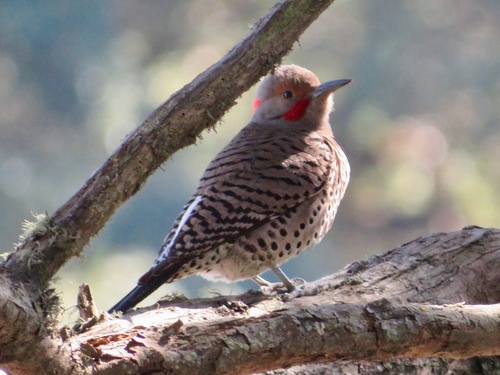
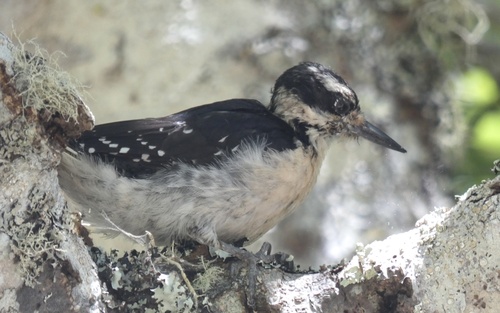
The closest relatives of the Keel-billed Toucan that you can see in Mexico City (order Piciformes, Woodpeckers and Allies) are Ladder-backed Woodpecker (about 40%) and Yellow-bellied Sapsucker (about 10%), with each one's daily chance of a sighting.
Where does the Keel-billed Toucan sighting chance come from?
GBIF citizen-science records
It is estimated from how often the Keel-billed Toucan is recorded against all the birds logged in Mexico City (12 verified sightings), calibrated against known sighting rates. Figures are rounded to the nearest 10% because citizen-science data supports honest approximations, not decimals, and months with records from fewer than five people show "—". How it works.
