

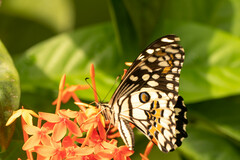
Completed



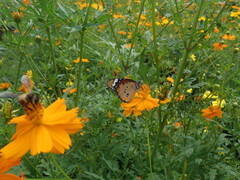
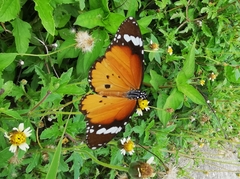
Plain Tiger Butterfly
Danaus chrysippus
- KingdomAnimalia (Animals)
- PhylumArthropoda (Arthropods)
- ClassInsecta (Insects)
- OrderLepidoptera (Butterflies and Moths)
- FamilyNymphalidae (Brush-footed Butterflies)
- GenusDanaus (Tiger Milkweed Butterflies)
- SpeciesDanaus chrysippus (Plain Tiger Butterfly)
In 3 days ~60% in a week ~90%
17 Verified sightings at Dehradun
1,222 In all 48 parks From 2019 to 2026
December Best month
☀️ Diurnal When it's spotted
About the Plain Tiger Butterfly
Danaus chrysippus, also known as the plain tiger, African queen, or African monarch, is a medium-sized butterfly widespread in Asia, Australia and Africa. It belongs to the Danainae subfamily of the brush-footed butterfly family Nymphalidae. Danainae primarily consume plants in the genus Asclepias, more commonly called milkweed. Milkweed contains toxic compounds, cardenolides, which are often consumed and stored by many butterflies. Because of their emetic properties, the plain tiger is unpalatable to most predators. As a result, its colouration is widely mimicked by other species of butterflies. The plain tiger inhabits a wide variety of habitats, although it is less likely to thrive in jungle-like conditions and is most often found in drier, wide-open areas.
These subspecies are found concentrated in specific regions within the larger range of the entire species. The plain tiger is believed to be one of the first butterflies depicted in art. A 3,500-year-old ancient Egyptian fresco in Luxor features the oldest known illustration of this species.
D. chrysippus is... Wikipedia →
Recent sightings of Plain Tiger Butterfly in Dehradun
LIVEiNaturalistGlobal Distribution
Parks Where Found
Cities Where Found
| # | City | Country | Daily sighting probability |
|---|---|---|---|
| 1 | Salem | 🇮🇳 India | |
| 2 | Karachi | 🇵🇰 Pakistan | |
| 3 | Alexandria | 🇪🇬 Egypt | |
| 4 | Prayagraj | 🇮🇳 India | |
| 5 | Hajipur | 🇮🇳 India | |
| 6 | Rajkot | 🇮🇳 India | |
| 7 | Raipur | 🇮🇳 India | |
| 8 | Jeddah | 🇸🇦 Saudi Arabia | |
| 9 | Coimbatore | 🇮🇳 India | |
| 10 | Jamshedpur | 🇮🇳 India |
Closest Relatives at Dehradun




Before you go
What are the chances of seeing a Plain Tiger Butterfly in Dehradun?
Possible
About 30% of wildlife watchers report a Plain Tiger Butterfly sighting in Dehradun on a given day, based on 17 verified sightings from GBIF citizen-science data. It is the 9th most-seen of the 73 insects we can rate there. Over three days the chance rises to about 60%, and over a week to about 90%, if each day is a fresh chance.
When is the best time to see a Plain Tiger Butterfly in Dehradun?
May and November–December
In those months about 40% of wildlife watchers report a Plain Tiger Butterfly in Dehradun on a given day, against under 5% in January to March, the lowest months. Those are among Dehradun's driest months, with about 20 mm of rain a month against 370 mm in July.
What time of day is best to see a Plain Tiger Butterfly?
Between 10 am and 1 pm
Across all the parks we cover, that three-hour window holds the most Plain Tiger Butterfly sightings with a recorded time, and about 9 in 10 of them come between 6 am and 6 pm: it is a daytime animal.
Is Dehradun the best place to see a Plain Tiger Butterfly?
61st of 109
Of the 109 cities where we can rate Plain Tiger Butterfly sightings, Dehradun ranks 61st at about 30%. The best odds are in Salem (India, about 70%), Karachi (Pakistan, about 70%) and Alexandria (Egypt, about 70%).
Which relatives of the Plain Tiger Butterfly live in Dehradun?
Same family: Nymphalidae
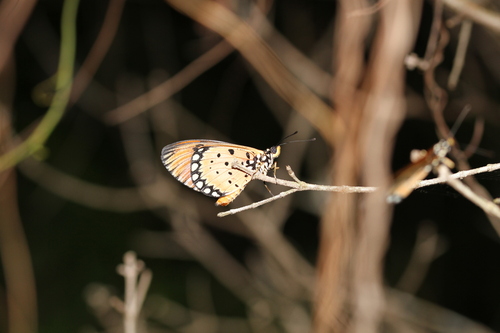
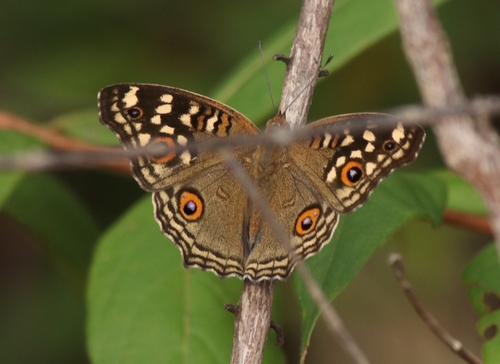
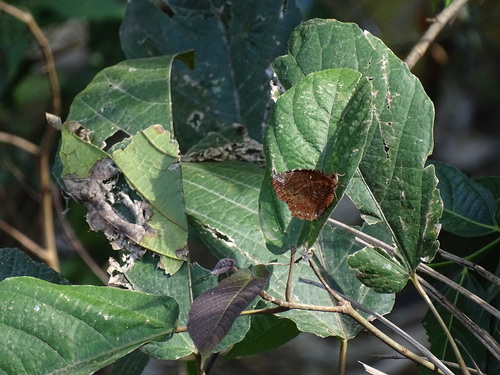
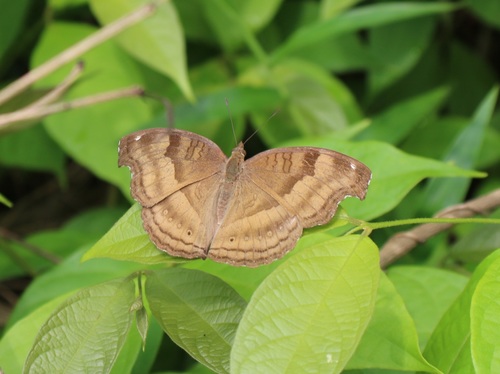
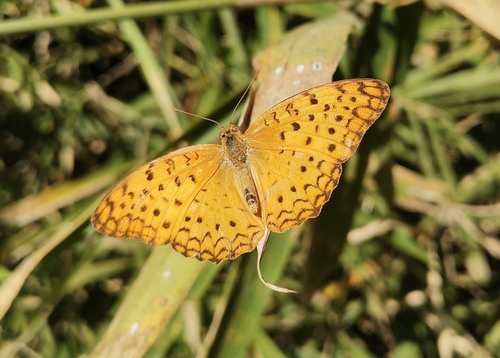
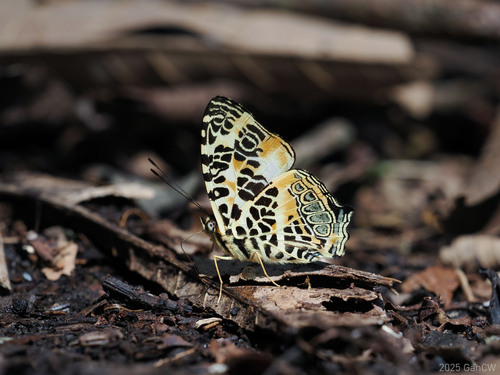
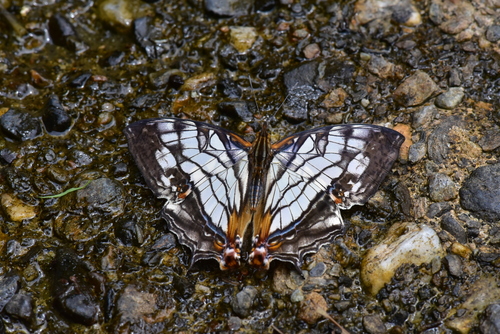
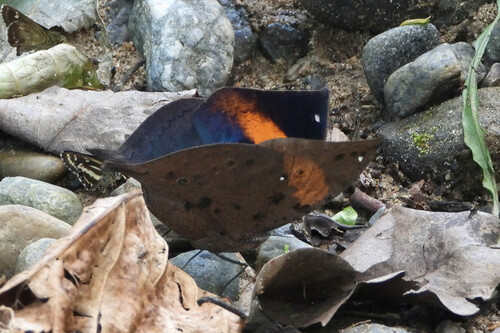
The closest relatives of the Plain Tiger Butterfly that you can see in Dehradun (family Nymphalidae, Brush-footed Butterflies) are Tawny Coster (about 40%), Lemon Pansy (about 30%) and Common Evening Brown (about 30%), with each one's daily chance of a sighting.
Where does the Plain Tiger Butterfly sighting chance come from?
GBIF citizen-science records
It is estimated from how often the Plain Tiger Butterfly is recorded against all the insects logged in Dehradun (17 verified sightings), calibrated against known sighting rates. Figures are rounded to the nearest 10% because citizen-science data supports honest approximations, not decimals, and months with records from fewer than five people show "—". How it works.
