Completed
Hairy-Headed Leafcutter Ant
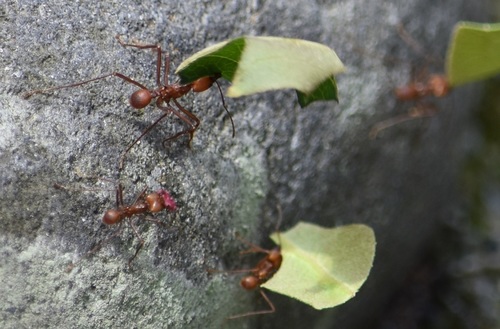
Atta cephalotes
- KingdomAnimalia (Animals)
- PhylumArthropoda (Arthropods)
- ClassInsecta (Insects)
- OrderHymenoptera (Ants, Bees, Wasps, and Sawflies)
- FamilyFormicidae (Ants)
- GenusAtta
- SpeciesAtta cephalotes (Hairy-Headed Leafcutter Ant)
In 3 days ~40% in a week ~70%
30 Verified sightings at Manu National Park From 2019 to 2026
982 In all 32 parks
March Best month
☀️ Diurnal When it's spotted
About the Hairy-Headed Leafcutter Ant
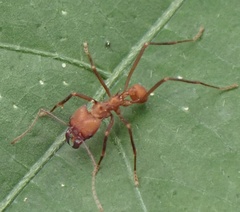
Atta cephalotes, commonly known as the hairy-headed leafcutter ant, is a species of leafcutter ant in the tribe Attini (fungus-growing ants). A colony can contain up to 5 million members, and each colony has a single queen that can live more than 20 years. The colony comprises different castes, known as "task partitioning", and each caste has a different job to do. This caste system includes minims, medias and majors.
The species is one of the earliest formally classified ants, first described by Swedish zoologist Carl Linnaeus in 1758. It was originally described as Formica cephalotes in his book the 10th edition of Systema Naturae, along with 16 other ant species, all placed within the genus Formica. It was later transferred to a new genus, Atta, along with five other species by Danish zoologist Johan Christian Fabricius in 1804. In 1911, American entomologist William Morton Wheeler designated A. cephalotes as the type species of Atta. It was also designated as the type species of Oecodoma, but the genus is now a synonym of Atta.
The elder workers manage the colony's rubbish dump. These ants are excluded from the rest of the colony. If... Wikipedia →
Recent sightings of Hairy-Headed Leafcutter Ant in Manu National Park
LIVEiNaturalistGlobal Distribution
Parks Where Found
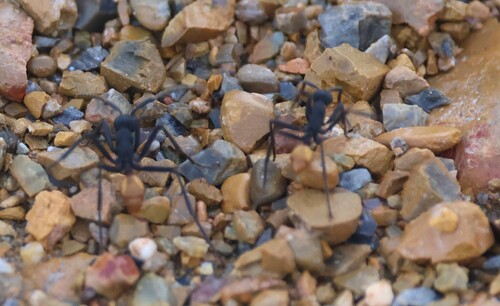
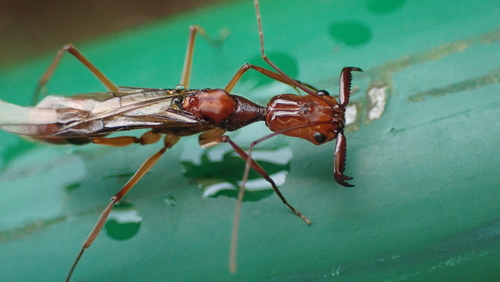
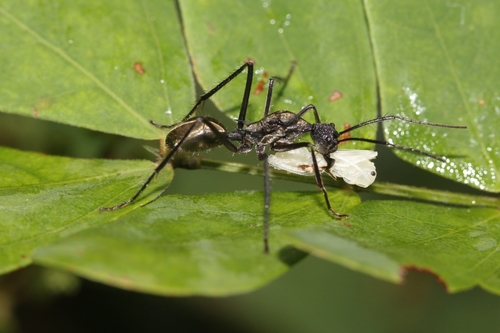
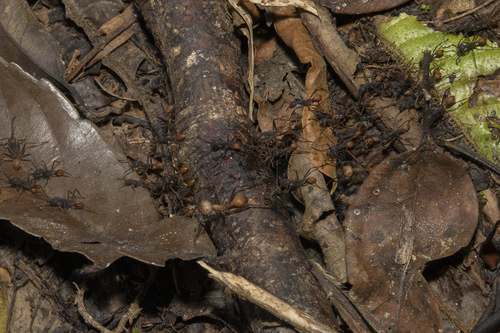
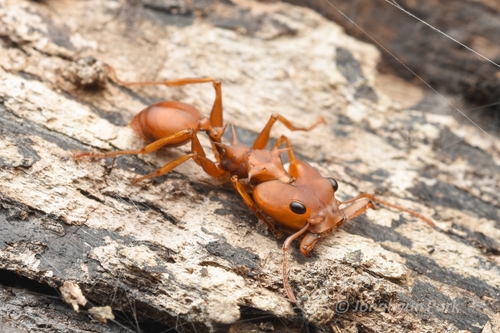
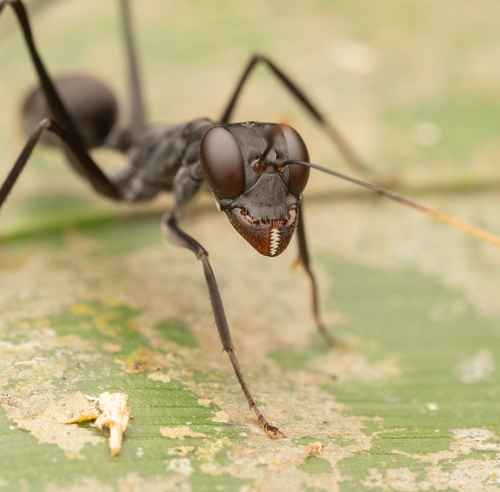
Closest Relatives at Manu National Park


Before you go
What are the chances of seeing a Hairy-Headed Leafcutter Ant in Manu National Park?
Possible
About 20% of wildlife watchers report a Hairy-Headed Leafcutter Ant sighting in Manu National Park on a given day, based on 30 verified sightings from GBIF citizen-science data from 2019 to 2026. It is the 26th most-seen of the 366 insects we can rate there. Over three days the chance rises to about 40%, and over a week to about 70%, if each day is a fresh chance.
When is the best time to see a Hairy-Headed Leafcutter Ant in Manu National Park?
March
In that month about 30% of wildlife watchers report a Hairy-Headed Leafcutter Ant in Manu National Park on a given day, against under 5% in May and June, the lowest months. That is one of Manu National Park's wettest months, with about 250 mm of rain against 60 mm in August.
What time of day is best to see a Hairy-Headed Leafcutter Ant?
Between 9 am and noon
Across all the parks we cover, that three-hour window holds the most Hairy-Headed Leafcutter Ant sightings with a recorded time, and about 7 in 10 of them come between 6 am and 6 pm: it is a daytime animal.
Is Manu National Park the best place to see a Hairy-Headed Leafcutter Ant?
18th of 32
Of the 32 parks where we can rate Hairy-Headed Leafcutter Ant sightings, Manu National Park ranks 18th at about 20%. The best odds are in Cockscomb Basin Wildlife Sanctuary (Belize, about 40%), Rincón de la Vieja National Park (Costa Rica, about 40%) and Braulio Carrillo National Park (Costa Rica, about 40%).
Which relatives of the Hairy-Headed Leafcutter Ant live in Manu National Park?
Same family: Formicidae
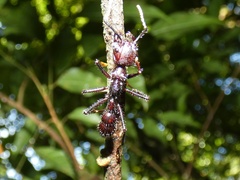
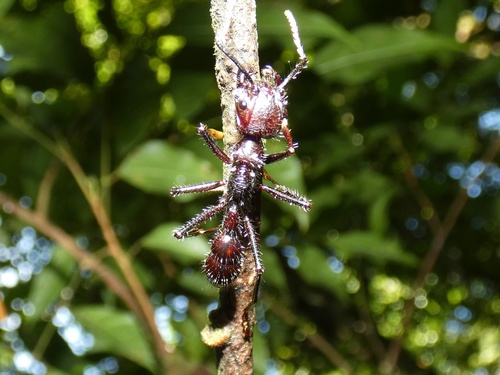
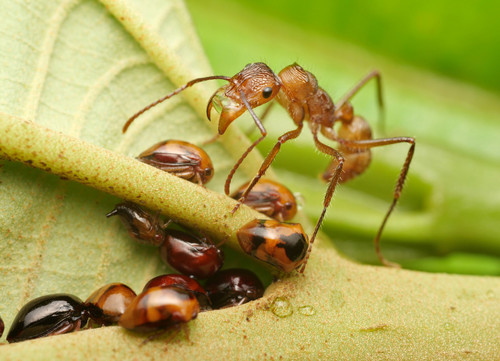
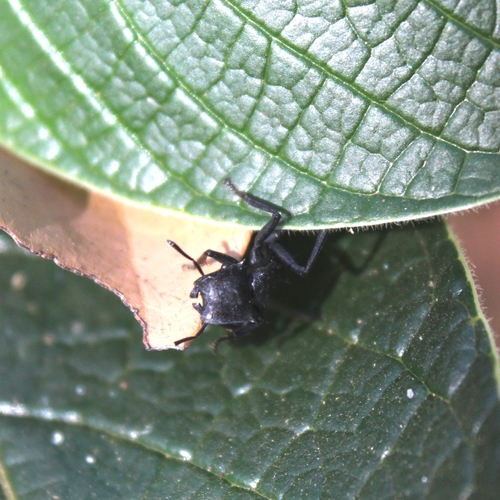
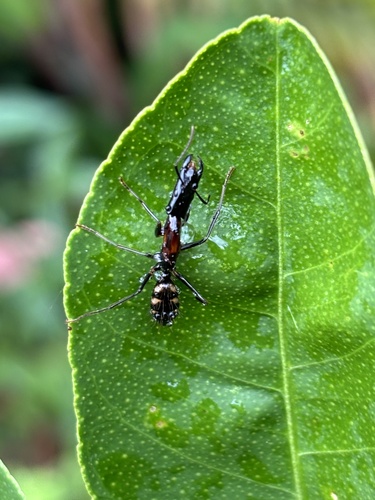
The closest relatives of the Hairy-Headed Leafcutter Ant that you can see in Manu National Park (family Formicidae, Ants) are Bullet Ant (about 50%), Ectatomma tuberculatum (about 30%) and Common Giant Turtle Ant (about 20%), with each one's daily chance of a sighting.
Where does the Hairy-Headed Leafcutter Ant sighting chance come from?
GBIF citizen-science records
It is estimated from how often the Hairy-Headed Leafcutter Ant is recorded against all the insects logged in Manu National Park (30 verified sightings from 2019 to 2026), calibrated against known sighting rates. Figures are rounded to the nearest 10% because citizen-science data supports honest approximations, not decimals, and months with records from fewer than five people show "—". How it works.
