


Completed


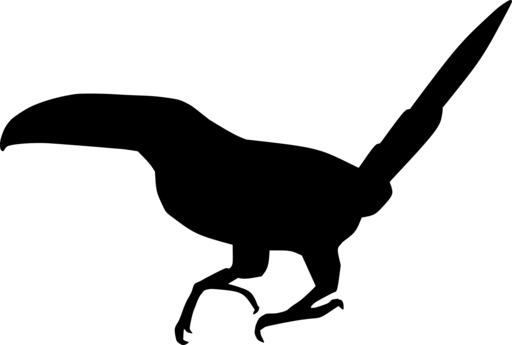
Collared Aracari
Pteroglossus torquatus
Silhouette: Edwin Price · PhyloPic
- KingdomAnimalia (Animals)
- PhylumChordata (Chordates)
- ClassAves (Birds)
- OrderPiciformes (Woodpeckers and Allies)
- FamilyRamphastidae (Toucans)
- GenusPteroglossus (Aracaris)
- SpeciesPteroglossus torquatus (Collared Aracari)
In 3 days <5% in a week ~10%
36 Verified sightings at Masaya Volcano National Park From 2019 to 2026
23,158 In all 40 parks
October Best month
☀️ Diurnal When it's spotted
About the Collared Aracari
The collared aracari or collared araçari (Pteroglossus torquatus) is a near-passerine bird in the toucan family Ramphastidae. It is found from Mexico to Colombia and Venezuela. The collared aracari was described by the Spanish naturalist Francisco Hernández (1514–1587) in his work Rerum medicarum Novae Hispaniae thesaurus, seu, Plantarum animalium mineralium Mexicanorum historia which was published posthumously in 1651. In his Latin text Hernández used the name De Cochitenacatl, the word for the bird in the local Nahuatl language. Later ornithologists based their own descriptions on that by Hernández. These included Mathurin Brisson in 1760, the Comte de Buffon in 1780, and John Latham in 1782.
When the German naturalist Johann Friedrich Gmelin revised and expanded Carl Linnaeus's Systema Naturae in 1788 he included the collared aracari and cited the descriptions by earlier ornithologists. He placed it with the toucans in the genus Ramphastos and coined the binomial name Ramphastos torquatus. The specific epithet is a Latin word meaning "collared". When John Gould published a hand-coloured illustration of the collared aracari in 1854 he commented: "We find in the writings... Wikipedia →
Recent sightings of Collared Aracari in Masaya Volcano National Park
LIVEiNaturalistGlobal Distribution
Parks Where Found
Cities Where Found
| # | City | Country | Daily sighting probability |
|---|---|---|---|
| 1 | San Salvador | 🇸🇻 El Salvador | |
| 2 | San Pedro Sula | 🇭🇳 Honduras | |
| 3 | Managua | 🇳🇮 Nicaragua | |
| 4 | Panama City | 🇵🇦 Panama |
Zoos & Centres Where Found
| # | Zoo / Centre | Country | |
|---|---|---|---|
| 1 | Parque Municipal Summit | 🇵🇦 Panama | |
| 2 | Guadalajara Zoo | 🇲🇽 Mexico | |
| 3 | Houston Zoo | 🇺🇸 United States | |
| 4 | Vallazoo | 🇲🇽 Mexico | |
| 5 | La Paz Waterfall Gardens | 🇨🇷 Costa Rica | |
| 6 | Aviario Nacional de Colombia | 🇨🇴 Colombia | |
| 7 | Parque del pueblo | 🇲🇽 Mexico | |
| 8 | Safari Masai Mara | 🇲🇽 Mexico | |
| 9 | Zoológico Tamatán | 🇲🇽 Mexico | |
| 10 | Macaw mountain bird park | 🇭🇳 Honduras | |
| 11 | La Aurora Zoo | 🇬🇹 Guatemala |
Closest Relatives at Masaya Volcano National Park


Before you go
What are the chances of seeing a Collared Aracari in Masaya Volcano National Park?
Rare
Under 5% of wildlife watchers report a Collared Aracari sighting in Masaya Volcano National Park on a given day, based on 36 verified sightings from GBIF citizen-science data from 2019 to 2026. It is the 71st most-seen of the 134 birds we can rate there. Over three days the chance rises to under 5%, and over a week to about 10%, if each day is a fresh chance.
When is the best time to see a Collared Aracari in Masaya Volcano National Park?
Any time of year
In every month with enough records, under 5% of wildlife watchers report a Collared Aracari in Masaya Volcano National Park on a given day, so our monthly data shows no clear season.
What time of day is best to see a Collared Aracari?
Between 7 and 10 am
Across all the parks we cover, that three-hour window holds the most Collared Aracari sightings with a recorded time, and about 9 in 10 of them come between 6 am and 6 pm: it is a daytime animal.
Is Masaya Volcano National Park the best place to see a Collared Aracari?
35th of 40
Of the 40 parks where we can rate Collared Aracari sightings, Masaya Volcano National Park ranks 35th at under 5%. The best odds are in Tikal National Park (Guatemala, about 60%), Pico Bonito National Park (Honduras, about 60%) and Tortuguero National Park (Costa Rica, about 50%). All parks ranked.
Where does the Collared Aracari sighting chance come from?
GBIF citizen-science records
It is estimated from how often the Collared Aracari is recorded against all the birds logged in Masaya Volcano National Park (36 verified sightings from 2019 to 2026), calibrated against known sighting rates. Figures are rounded to the nearest 10% because citizen-science data supports honest approximations, not decimals, and months with records from fewer than five people show "—". How it works.
