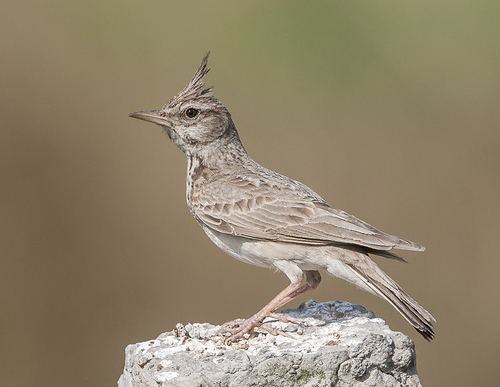
Red-backed Shrike

Red-backed Shrike

Lanius collurio

Silhouette: Zeynel Cebeci · PhyloPic

LCLeast ConcernNTVUENCR
Daily sighting probability ~10% · With luck
at Antalya

In 3 days ~40% in a week ~70%

92 Verified sightings at Antalya
9,026 In all 65 parks From 2019 to 2026
September Best month
☀️ Diurnal When it's spotted

About the Red-backed Shrike

The red-backed shrike (Lanius collurio) is a carnivorous passerine bird and member of the shrike family, Laniidae. Its breeding range stretches from Western Europe east to central Russia. It is migratory and winters in the eastern areas of tropical Africa and southern Africa.

The red-backed shrike was formally described by the Swedish naturalist Carl Linnaeus in 1758 in the tenth edition of his Systema Naturae under its current binomial name Lanius collurio. The genus name, Lanius, is derived from the Latin word for "butcher", and some shrikes are also known as "butcher birds" because of their feeding habits. The specific collurio is from Ancient Greek kollurion, a bird mentioned by Aristotle. The common English name "shrike" is from Middle English *schrike, *schryke, from Old English sċrīc, "shriek", from the same root as shriek and screech, referring to the bird's shrill cry or call.

This 16–18 cm-long (6.3–7.1 in) migratory bird eats large insects, small birds, frogs, rodents and lizards. Like other shrikes it hunts from prominent perches, and impales corpses on thorns or barbed wire as a "larder." This practice has earned it the nickname of "butcher... Wikipedia →

Sounds

Song0:14

France · 2025

© Azens · XC999109 · CC BY-NC-SA 4.0

Alarm call1:08

Estonia · 2024

© Uku Paal · XC929231 · CC BY-NC-SA 4.0

Call0:29

Poland · 2024

© Jarek Matusiak · XC928265 · CC BY-NC-ND 4.0

Global Distribution

Parks Where Found

# Park Country Daily sighting probability
1 Fertő-Hanság National Park 🇭🇺 Hungary
~40%
2 Hortobágy National Park 🇭🇺 Hungary
~40%
3 Kiskunság National Park 🇭🇺 Hungary
~40%
4 Białowieża National Park 🇵🇱 Poland
~30%
5 uMkhuze Game Reserve 🇿🇦 South Africa
~30%
6 Tsavo West National Park 🇰🇪 Kenya
~20%
7 Kruger National Park 🇿🇦 South Africa
~20%
8 Biebrza National Park 🇵🇱 Poland
~20%
9 Mkomazi National Park 🇹🇿 Tanzania
~20%
10 Ecrins National Park 🇫🇷 France
~20%
11 Plitvice Lakes National Park 🇭🇷 Croatia
~20%
12 Kafue National Park 🇿🇲 Zambia
~20%
13 Hluhluwe-Imfolozi Park 🇿🇦 South Africa
~20%
14 Cévennes National Park 🇫🇷 France
~20%
15 Mana Pools National Park 🇿🇼 Zimbabwe
~10%
16 Hwange National Park 🇿🇼 Zimbabwe
~10%
17 Pilanesberg National Park 🇿🇦 South Africa
~10%
18 Tsavo East National Park 🇰🇪 Kenya
~10%
19 Aigüestortes National Park 🇪🇸 Spain
~10%
20 Triglav National Park 🇸🇮 Slovenia
~10%
21 Awash National Park 🇪🇹 Ethiopia
~10%
22 Serengeti National Park 🇹🇿 Tanzania
~10%
23 Ordesa y Monte Perdido National Park 🇪🇸 Spain
~10%
24 Tatra National Park 🇸🇰 Slovakia
~10%
25 Liwonde National Park 🇲🇼 Malawi
~10%
26 Pyrénées National Park 🇫🇷 France
~10%
27 Chobe National Park 🇧🇼 Botswana
~10%
28 Moremi Game Reserve 🇧🇼 Botswana
~10%
29 Tarangire National Park 🇹🇿 Tanzania
~10%
30 Samburu National Reserve 🇰🇪 Kenya
~10%
31 Bavarian Forest National Park 🇩🇪 Germany
~10%
32 South Luangwa National Park 🇿🇲 Zambia
~10%
33 Lake Manyara National Park 🇹🇿 Tanzania
~10%
34 Golden Gate Highlands National Park 🇿🇦 South Africa
~10%
35 Ngorongoro Conservation Area 🇹🇿 Tanzania
~10%
36 Picos de Europa National Park 🇪🇸 Spain
~10%
37 Meru National Park 🇰🇪 Kenya
~10%
38 Nairobi National Park 🇰🇪 Kenya
~10%
39 Ruaha National Park 🇹🇿 Tanzania
~10%
40 Mercantour National Park 🇫🇷 France
~10%
41 Mikumi National Park 🇹🇿 Tanzania
~10%
42 Gorongosa National Park 🇲🇿 Mozambique
~10%
43 Vanoise National Park 🇫🇷 France
~10%
44 Sierra de Guadarrama National Park 🇪🇸 Spain
~10%
45 Lower Zambezi National Park 🇿🇲 Zambia
~10%
46 Kgalagadi Transfrontier Park 🇿🇦 South Africa
<5%
47 Waterberg Plateau Park 🇳🇦 Namibia
<5%
48 Gonarezhou National Park 🇿🇼 Zimbabwe
<5%
49 Lake Nakuru National Park 🇰🇪 Kenya
<5%
50 Vatnajokull National Park 🇮🇸 Iceland
<5%
51 Amboseli National Park 🇰🇪 Kenya
<5%
52 Murchison Falls National Park 🇺🇬 Uganda
<5%
53 Etosha National Park 🇳🇦 Namibia
<5%
54 Arusha National Park 🇹🇿 Tanzania
<5%
55 Akagera National Park 🇷🇼 Rwanda
<5%
56 Addo Elephant National Park 🇿🇦 South Africa
<5%
57 Masai Mara National Reserve 🇰🇪 Kenya
<5%
58 iSimangaliso Wetland Park 🇿🇦 South Africa
<5%
59 Gauja National Park 🇱🇻 Latvia
<5%
60 Aberdare National Park 🇰🇪 Kenya
<5%
61 Queen Elizabeth National Park 🇺🇬 Uganda
<5%
62 Lake Mburo National Park 🇺🇬 Uganda
<5%
63 Camargue 🇫🇷 France
<5%
64 Wadden Sea National Park 🇩🇪 Germany
<5%
65 Kibale National Park 🇺🇬 Uganda
<5%

Cities Where Found

# City Country Daily sighting probability
1 Izmir 🇹🇷 Turkey
~20%
2 Antalya 🇹🇷 Turkey
~10%
3 Istanbul 🇹🇷 Turkey
~10%
4 Kuwait City 🇰🇼 Kuwait
~10%
5 Jerusalem 🇮🇱 Israel
~10%
6 Sincan 🇹🇷 Turkey
~10%
7 Ankara 🇹🇷 Turkey
~10%
8 Riyadh 🇸🇦 Saudi Arabia
~10%
9 Kazan 🇷🇺 Russia
~10%
10 Tel Aviv 🇮🇱 Israel
~10%

Before you go

What are the chances of seeing a Red-backed Shrike in Antalya?

With luck

About 10% of wildlife watchers report a Red-backed Shrike sighting in Antalya on a given day, based on 92 verified sightings from GBIF citizen-science data. It is the 44th most-seen of the 131 birds we can rate there. Over three days the chance rises to about 40%, and over a week to about 70%, if each day is a fresh chance.

When is the best time to see a Red-backed Shrike in Antalya?

September

In that month about 60% of wildlife watchers report a Red-backed Shrike in Antalya on a given day, against under 5% in December to March, the lowest months. That is one of Antalya's driest months, with about 25 mm of rain against 180 mm in January.

What time of day is best to see a Red-backed Shrike?

Between 3 and 6 pm

Across all the parks we cover, that three-hour window holds the most Red-backed Shrike sightings with a recorded time, and about 9 in 10 of them come between 6 am and 6 pm: it is a daytime animal.

Is Antalya the best place to see a Red-backed Shrike?

2nd of 49

Of the 49 cities where we can rate Red-backed Shrike sightings, Antalya ranks 2nd at about 10%. The best odds are in Izmir (Turkey, about 20%).

Which relatives of the Red-backed Shrike live in Antalya?

Same genus: Lanius

The closest relatives of the Red-backed Shrike that you can see in Antalya (genus Lanius, Typical Shrikes) are Masked Shrike (about 10%) and Woodchat Shrike (about 10%), with each one's daily chance of a sighting.

Where does the Red-backed Shrike sighting chance come from?

GBIF citizen-science records

It is estimated from how often the Red-backed Shrike is recorded against all the birds logged in Antalya (92 verified sightings), calibrated against known sighting rates. Figures are rounded to the nearest 10% because citizen-science data supports honest approximations, not decimals, and months with records from fewer than five people show "—". How it works.

← Back to Antalya