


Completed


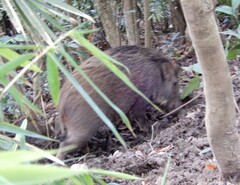


Wild Boar
Sus scrofa
Silhouette: Steven Traver · PhyloPic
- KingdomAnimalia (Animals)
- PhylumChordata (Chordates)
- ClassMammalia (Mammals)
- OrderArtiodactyla (Even-toed Ungulates and Cetaceans)
- FamilySuidae (Suids)
- GenusSus (Boars and Warty Pigs)
- SpeciesSus scrofa (Wild Boar)
In 3 days >90%
30 Verified sightings at Bandhavgarh National Park From 2019 to 2026
1,111 In all 39 parks
April Best month
☀️ Diurnal When it's spotted
About the Wild Boar
The wild boar (Sus scrofa), also known as the wild swine, common wild pig, Eurasian wild pig, or simply wild pig, is a suid native to much of Eurasia and North Africa and has been introduced to the Americas and Oceania. The species is now one of the widest-ranging mammals in the world as well as the most widespread suiform. It has been assessed as least concern on the IUCN Red List due to its wide range, high numbers, and adaptability to a diversity of habitats. It has become an invasive species in part of its introduced range. Wild boars probably originated in Southeast Asia during the Early Pleistocene and outcompeted other suid species as they spread throughout the Old World.
As of 2005, up to 16 subspecies are recognized, which are divided into four regional groupings based on skull height and lacrimal bone length. The species lives in matriarchal societies consisting of interrelated females and their young (both male and female). Fully grown males are usually solitary outside the breeding season. The wolf is the wild boar's main predator in most of its natural range except in the Far East and the Lesser Sunda Islands, where it is replaced by the tiger and Komodo dragon respectively. The wild boar has a long history of association with humans, having been the ancestor of most domestic pig breeds and a big-game animal for millennia. Boars have also re-hybridized in recent decades with feral pigs; these boar–pig hybrids have become a serious pest wild animal in the Americas and Australia. Wikipedia →
Recent sightings of Wild Boar in Bandhavgarh National Park
LIVEiNaturalistGlobal Distribution
Parks Where Found
Zoos & Centres Where Found
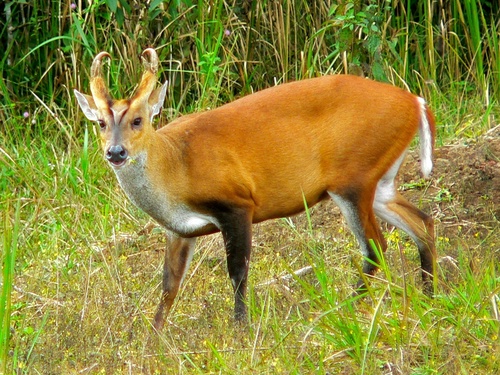
Closest Relatives at Bandhavgarh National Park






Before you go
What are the chances of seeing a Wild Boar in Bandhavgarh National Park?
Likely
About 60% of wildlife watchers report a Wild Boar sighting in Bandhavgarh National Park on a given day, based on 30 verified sightings from GBIF citizen-science data from 2019 to 2026. It is the 7th most-seen of the 14 mammals we can rate there. Over three days the chance rises to over 90%, if each day is a fresh chance.
When is the best time to see a Wild Boar in Bandhavgarh National Park?
February and April
In those months about 70% of wildlife watchers report a Wild Boar in Bandhavgarh National Park on a given day, against about 20% in October and November, the lowest months. Those are among Bandhavgarh National Park's driest months, with about 10 mm of rain a month against 400 mm in August. July to September have too few records to rate.
What time of day is best to see a Wild Boar?
Between 4 and 7 pm
Across all the parks we cover, that three-hour window holds the most Wild Boar sightings with a recorded time, and about 7 in 10 of them come between 6 am and 6 pm: it is a daytime animal.
Is Bandhavgarh National Park the best place to see a Wild Boar?
3rd of 39
Of the 39 parks where we can rate Wild Boar sightings, Bandhavgarh National Park ranks 3rd at about 60%. The best odds are in Kaziranga National Park (India, about 80%) and Yala National Park (Sri Lanka, about 80%). All parks ranked.
Which relatives of the Wild Boar live in Bandhavgarh National Park?
Same order: Artiodactyla
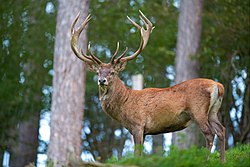
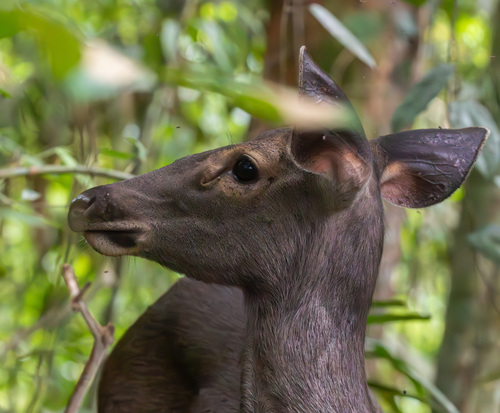
The closest relatives of the Wild Boar that you can see in Bandhavgarh National Park (order Artiodactyla, Even-toed Ungulates and Cetaceans) are Axis Deer (about 80%), Sambar (about 80%) and Gayal (about 60%), with each one's daily chance of a sighting.
Where does the Wild Boar sighting chance come from?
GBIF citizen-science records
It is estimated from how often the Wild Boar is recorded against all the mammals logged in Bandhavgarh National Park (30 verified sightings from 2019 to 2026), calibrated against known sighting rates. Figures are rounded to the nearest 10% because citizen-science data supports honest approximations, not decimals, and months with records from fewer than five people show "—". How it works.
