



Completed



Sulphur-crested Cockatoo
Cacatua galerita
Silhouette: Ferran Sayol · PhyloPic
- KingdomAnimalia (Animals)
- PhylumChordata (Chordates)
- ClassAves (Birds)
- OrderPsittaciformes (Parrots)
- FamilyPsittacidae (New World and African Parrots)
- GenusCacatua (White Cockatoos and Corellas)
- SpeciesCacatua galerita (Sulphur-crested Cockatoo)
In 3 days ~80% in a week >90%
59 Verified sightings at Raja Ampat From 2019 to 2026
17,997 In all 18 parks
October Best month
☀️ Diurnal When it's spotted


Completed
About the Sulphur-crested Cockatoo
The sulphur-crested cockatoo (Cacatua galerita) is a relatively large white cockatoo found in wooded habitats in Australia, New Guinea, and some of the islands of Indonesia. They can be locally very numerous, leading to them sometimes being considered pests. As highly intelligent birds, they are well known in aviculture, although they can be demanding pets.
The four recognised subspecies are: A 2024 genetic study found that the Triton cockatoo is genetically distinct from the two Australian forms of sulphur-crested cockatoos, so should be considered a separate species, Cacatua triton.
The species is native to large parts of Australia, Indonesia, and Papua New Guinea. Within Australia, sulphur-crested cockatoos of the nominate race have also been introduced to Perth, which is far outside their natural range. Outside Australia, they have been introduced to Singapore, where their numbers have been estimated to be between 500 and 2000. They have also been introduced to Palau and New Zealand. In New Zealand, the introduced populations may number fewer than 1000. This species has also been recorded as established in Hawaii and from various islands in Wallacea... Wikipedia →
Recent sightings of Sulphur-crested Cockatoo in Raja Ampat
LIVEiNaturalistGlobal Distribution
Parks Where Found
| # | Park | Country | Daily sighting probability |
|---|---|---|---|
| 1 | Blue Mountains National Park | 🇦🇺 Australia | |
| 2 | Royal National Park | 🇦🇺 Australia | |
| 3 | Grampians National Park | 🇦🇺 Australia | |
| 4 | Great Otway National Park | 🇦🇺 Australia | |
| 5 | Kakadu National Park | 🇦🇺 Australia | |
| 6 | Nitmiluk National Park | 🇦🇺 Australia | |
| 7 | Hattah-Kulkyne National Park | 🇦🇺 Australia | |
| 8 | Litchfield National Park | 🇦🇺 Australia | |
| 9 | Daintree National Park | 🇦🇺 Australia | |
| 10 | Springbrook National Park | 🇦🇺 Australia | |
| 11 | Raja Ampat | 🇮🇩 Indonesia | |
| 12 | Kosciuszko National Park | 🇦🇺 Australia | |
| 13 | Lamington National Park | 🇦🇺 Australia | |
| 14 | Wilsons Promontory National Park | 🇦🇺 Australia | |
| 15 | Cradle Mountain-Lake St Clair National Park | 🇦🇺 Australia | |
| 16 | Booderee National Park | 🇦🇺 Australia | |
| 17 | Flinders Chase | 🇦🇺 Australia | |
| 18 | Noosa National Park | 🇦🇺 Australia |
Zoos & Centres Where Found
Closest Relatives at Raja Ampat




Before you go
What are the chances of seeing a Sulphur-crested Cockatoo in Raja Ampat?
Likely
About 40% of wildlife watchers report a Sulphur-crested Cockatoo sighting in Raja Ampat on a given day, based on 59 verified sightings from GBIF citizen-science data from 2019 to 2026. It is the 19th most-seen of the 200 birds we can rate there. Over three days the chance rises to about 80%, and over a week to over 90%, if each day is a fresh chance.
When is the best time to see a Sulphur-crested Cockatoo in Raja Ampat?
June and October
In those months about 60% of wildlife watchers report a Sulphur-crested Cockatoo in Raja Ampat on a given day, against under 5% in January, the lowest month.
What time of day is best to see a Sulphur-crested Cockatoo?
Between 10 am and 1 pm
Across all the parks we cover, that three-hour window holds the most Sulphur-crested Cockatoo sightings with a recorded time, and about 9 in 10 of them come between 6 am and 6 pm: it is a daytime animal.
Is Raja Ampat the best place to see a Sulphur-crested Cockatoo?
11th of 18
Of the 18 parks where we can rate Sulphur-crested Cockatoo sightings, Raja Ampat ranks 11th at about 40%. The best odds are in Blue Mountains National Park (Australia, about 80%), Royal National Park (Australia, about 80%) and Grampians National Park (Australia, about 70%). All parks ranked.
Which relatives of the Sulphur-crested Cockatoo live in Raja Ampat?
Same family: Psittacidae
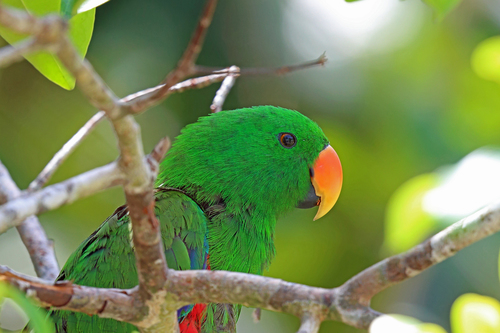
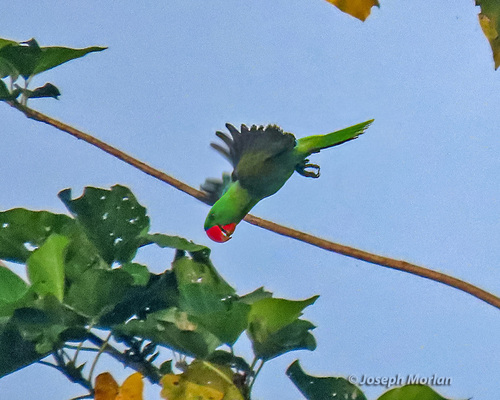
The closest relatives of the Sulphur-crested Cockatoo that you can see in Raja Ampat (family Psittacidae, New World and African Parrots) are Red-sided Eclectus (about 70%), Red-cheeked Parrot (about 50%) and Palm Cockatoo (about 50%), with each one's daily chance of a sighting.
Where does the Sulphur-crested Cockatoo sighting chance come from?
GBIF citizen-science records
It is estimated from how often the Sulphur-crested Cockatoo is recorded against all the birds logged in Raja Ampat (59 verified sightings from 2019 to 2026), calibrated against known sighting rates. Figures are rounded to the nearest 10% because citizen-science data supports honest approximations, not decimals, and months with records from fewer than five people show "—". How it works.
