Common Nighthawk

Common Nighthawk

Chordeiles minor

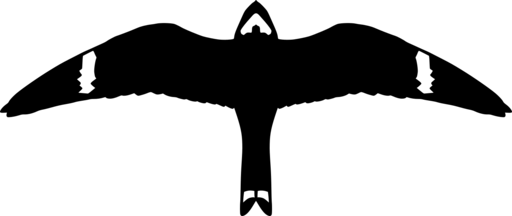
Silhouette: Andy Wilson · PhyloPic

LCLeast ConcernNTVUENCR
Daily sighting probability <5% · Rare
at Acadia National Park

In 3 days <5% in a week ~10%

231 Verified sightings at Acadia National Park From 2019 to 2026
5,029 In all 44 parks
August Best month
🌅 Crepuscular When it's spotted

About the Common Nighthawk

The common nighthawk or bullbat (Chordeiles minor) is a medium-sized crepuscular or nocturnal bird of the Americas within the nightjar (Caprimulgidae) family, whose presence and identity are best revealed by its vocalization. Typically dark (gray, black and brown), displaying cryptic colouration and intricate patterns, this bird is difficult to spot with the naked eye during the day. This bird is most conspicuous when in its buoyant and erratic flight. The most remarkable feature of this aerial insectivore is its small beak that belies the massiveness of its mouth. Some claim appearance similarities to owls. With its horizontal stance and short legs, the common nighthawk does not travel frequently on the ground, instead preferring to perch horizontally, parallel to branches, on posts, on the ground or on a roof. The males of this species may roost together but the bird is primarily solitary. The common nighthawk shows variability in territory size.

This caprimulgid has a large, flattened head with large eyes; facially it lacks rictal bristles. The common nighthawk has long slender wings that at rest extend beyond a notched tail. There is noticeable barring on the sides and abdomen, also white wing-patches.

The common nighthawk measures 22 to 25 cm (8.7 to 9.8 in) long, displays a wing span of 51 to 61 cm (20 to 24 in) weighs 55 to 98 g (1.9 to 3.5 oz), and has a life span of 4 to 5 years. Wikipedia →

Sounds

Flight call0:27

United States · 2025

© Greg Irving · XC1024243 · CC BY-NC-SA 4.0

Call0:19

Canada · 2025

© Melissa Hafting · XC1015174 · CC BY-NC-SA 4.0

Song1:07

United States · 2022

© Timothy Marquardt · XC735866 · CC BY-NC-SA 4.0

Global Distribution

Parks Where Found

# Park Country Daily sighting probability
1 Badlands National Park 🇺🇸 United States
~30%
2 Point Pelee National Park 🇨🇦 Canada
~10%
3 Padre Island National Seashore 🇺🇸 United States
~10%
4 Everglades National Park 🇺🇸 United States
~10%
5 Glacier National Park 🇺🇸 United States
~10%
6 Grand Teton National Park 🇺🇸 United States
<5%
7 Soberanía National Park 🇵🇦 Panama
<5%
8 Gandoca-Manzanillo Wildlife Refuge 🇨🇷 Costa Rica
<5%
9 Bastimentos Island National Marine Park 🇵🇦 Panama
<5%
10 Yellowstone National Park 🇺🇸 United States
<5%
11 Big Cypress National Preserve 🇺🇸 United States
<5%
12 Voyageurs National Park 🇺🇸 United States
<5%
13 Isle Royale National Park 🇺🇸 United States
<5%
14 Chagres National Park 🇵🇦 Panama
<5%
15 Tortuguero National Park 🇨🇷 Costa Rica
<5%
16 Olympic National Park 🇺🇸 United States
<5%
17 La Amistad International Park (Panama) 🇵🇦 Panama
<5%
18 Rincón de la Vieja National Park 🇨🇷 Costa Rica
<5%
19 Pacific Rim National Park Reserve 🇨🇦 Canada
<5%
20 Acadia National Park 🇺🇸 United States
<5%
21 Cahuita National Park 🇨🇷 Costa Rica
<5%
22 Celestún Biosphere Reserve 🇲🇽 Mexico
<5%
23 Big Bend National Park 🇺🇸 United States
<5%
24 Great Smoky Mountains National Park 🇺🇸 United States
<5%
25 Yasuní National Park 🇪🇨 Ecuador
<5%
26 Parque Natural Metropolitano 🇵🇦 Panama
<5%
27 Great Bear Rainforest 🇨🇦 Canada
<5%
28 Jasper National Park 🇨🇦 Canada
<5%
29 Iberá National Park 🇦🇷 Argentina
<5%
30 Rocky Mountain National Park 🇺🇸 United States
<5%
31 Yosemite National Park 🇺🇸 United States
<5%
32 Grand Canyon National Park 🇺🇸 United States
<5%
33 Merritt Island National Wildlife Refuge 🇺🇸 United States
<5%
34 Palo Verde National Park 🇨🇷 Costa Rica
<5%
35 Shenandoah National Park 🇺🇸 United States
<5%
36 Redwood National Park 🇺🇸 United States
<5%
37 Banff National Park 🇨🇦 Canada
<5%
38 Braulio Carrillo National Park 🇨🇷 Costa Rica
<5%
39 Zion National Park 🇺🇸 United States
<5%
40 Manu National Park 🇵🇪 Peru
<5%
41 Tambopata National Reserve 🇵🇪 Peru
<5%
42 Arenal Volcano National Park 🇨🇷 Costa Rica
<5%
43 Carara National Park 🇨🇷 Costa Rica
<5%
44 Monteverde Cloud Forest Reserve 🇨🇷 Costa Rica
<5%

Cities Where Found

# City Country Daily sighting probability
1 Houston 🇺🇸 United States
<5%
2 Austin 🇺🇸 United States
<5%
3 Minneapolis [Saint Paul] 🇺🇸 United States
<5%
4 Chicago 🇺🇸 United States
<5%
5 Philadelphia 🇺🇸 United States
<5%
6 Campo Grande 🇧🇷 Brazil
<5%
7 Asuncion 🇵🇾 Paraguay
<5%
8 Detroit 🇺🇸 United States
<5%
9 Guatemala City 🇬🇹 Guatemala
<5%
10 Miami 🇺🇸 United States
<5%

Before you go

What are the chances of seeing a Common Nighthawk in Acadia National Park?

Rare

Under 5% of wildlife watchers report a Common Nighthawk sighting in Acadia National Park on a given day, based on 231 verified sightings from GBIF citizen-science data from 2019 to 2026. It is the 130th most-seen of the 243 birds we can rate there. Over three days the chance rises to under 5%, and over a week to about 10%, if each day is a fresh chance.

When is the best time to see a Common Nighthawk in Acadia National Park?

Any time of year

In every month with enough records, under 5% of wildlife watchers report a Common Nighthawk in Acadia National Park on a given day, so our monthly data shows no clear season.

What time of day is best to see a Common Nighthawk?

Between 5 and 8 pm

Across all the parks we cover, that three-hour window holds the most Common Nighthawk sightings with a recorded time, and about half of them come between 6 am and 6 pm: it is most active around dawn and dusk.

Where does the Common Nighthawk sighting chance come from?

GBIF citizen-science records

It is estimated from how often the Common Nighthawk is recorded against all the birds logged in Acadia National Park (231 verified sightings from 2019 to 2026), calibrated against known sighting rates. Figures are rounded to the nearest 10% because citizen-science data supports honest approximations, not decimals, and months with records from fewer than five people show "—". How it works.

← Back to Acadia National Park