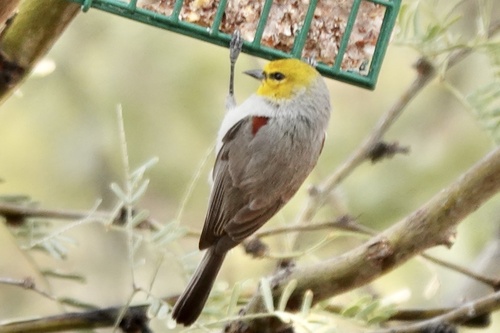
Lesser Nighthawk

Lesser Nighthawk

Chordeiles acutipennis

Silhouette: Ferran Sayol · PhyloPic

LCLeast ConcernNTVUENCR
Daily sighting probability <5% · Rare
at Bahía de Loreto National Park

In 3 days <5% in a week ~10%

18 Verified sightings at Bahía de Loreto National Park From 2019 to 2026
3,531 In all 43 parks
October Best month
🌅 Crepuscular When it's spotted

About the Lesser Nighthawk

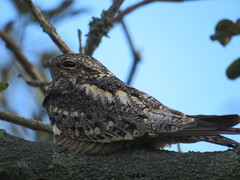
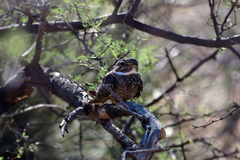
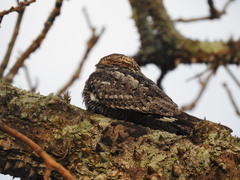
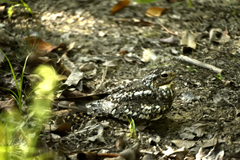
The lesser nighthawk (Chordeiles acutipennis) is a nightjar found throughout a large part of the Americas. This bird looks similar to the common nighthawk but is slightly smaller, has a slightly less deeply forked tail, and is more buffy in coloration. Their distinctive mouths are very well adapted for capturing insects mid-flight.

Birds of the order Caprimulgiformes resemble owls and are primarily nocturnal insectivores. This group often has reduced feet, large mouths, and a camouflage coloring to blend in with their environment. The family Caprimulgidae, also known as nightjars, consists of over 70 insectivorous birds which are commonly classified by their long pointed wings. Their habitat and distribution is very broad range. Lesser nighthawks belong to the Chordeiles genus which contains 6 other species of nighthawk such as the common nighthawk, Antillean nighthawk, and sand-coloured nighthawk. The classification of nightjars are constantly being changed and renewed in attempt to group species with their closest relation.

Seven subspecies are recognised. Their breeding ranges are as follows. Wikipedia →

Sounds

Call0:10

United States · 2020

© Jarrod Swackhamer · XC591811 · CC BY-NC-SA 4.0

Flight call0:06

United States · 2020

© Paul Marvin · XC582142 · CC BY-NC-SA 4.0

Song0:38

Ecuador · 1999

© John V. Moore · XC257766 · CC BY-NC-SA 4.0

Global Distribution

Parks Where Found

# Park Country Daily sighting probability
1 Big Bend National Park 🇺🇸 United States
~10%
2 Cabo Pulmo National Park 🇲🇽 Mexico
~10%
3 Carara National Park 🇨🇷 Costa Rica
~10%
4 Celestún Biosphere Reserve 🇲🇽 Mexico
~10%
5 Palo Verde National Park 🇨🇷 Costa Rica
~10%
6 Arrecifes de Cozumel National Park 🇲🇽 Mexico
~10%
7 Cabo Blanco Absolute Nature Reserve 🇨🇷 Costa Rica
~10%
8 Saguaro National Park 🇺🇸 United States
~10%
9 Ría Lagartos Biosphere Reserve 🇲🇽 Mexico
<5%
10 El Triunfo 🇲🇽 Mexico
<5%
11 Machalilla National Park 🇪🇨 Ecuador
<5%
12 Santa Rosa National Park 🇨🇷 Costa Rica
<5%
13 Death Valley National Park 🇺🇸 United States
<5%
14 Las Baulas Marine National Park 🇨🇷 Costa Rica
<5%
15 Bastimentos Island National Marine Park 🇵🇦 Panama
<5%
16 Gandoca-Manzanillo Wildlife Refuge 🇨🇷 Costa Rica
<5%
17 Caroni Swamp 🇹🇹 Trinidad and Tobago
<5%
18 Ostional Wildlife Refuge 🇨🇷 Costa Rica
<5%
19 Everglades National Park 🇺🇸 United States
<5%
20 Manuel Antonio National Park 🇨🇷 Costa Rica
<5%
21 Cerro Azul Meámbar National Park 🇭🇳 Honduras
<5%
22 Cusuco National Park 🇭🇳 Honduras
<5%
23 Rincón de la Vieja National Park 🇨🇷 Costa Rica
<5%
24 Soberanía National Park 🇵🇦 Panama
<5%
25 Masaya Volcano National Park 🇳🇮 Nicaragua
<5%
26 La Amistad International Park (Panama) 🇵🇦 Panama
<5%
27 Parque Estadual Encontro das Águas 🇧🇷 Brazil
<5%
28 Bahía de Loreto National Park 🇲🇽 Mexico
<5%
29 Calakmul Biosphere Reserve 🇲🇽 Mexico
<5%
30 Joshua Tree National Park 🇺🇸 United States
<5%
31 El Vizcaíno Biosphere Reserve 🇲🇽 Mexico
<5%
32 Tortuguero National Park 🇨🇷 Costa Rica
<5%
33 Tayrona National Natural Park 🇨🇴 Colombia
<5%
34 Sian Ka'an Biosphere Reserve 🇲🇽 Mexico
<5%
35 Cahuita National Park 🇨🇷 Costa Rica
<5%
36 Cockscomb Basin Wildlife Sanctuary 🇧🇿 Belize
<5%
37 Corcovado National Park 🇨🇷 Costa Rica
<5%
38 Cumbres de Monterrey National Park 🇲🇽 Mexico
<5%
39 Marino Ballena National Park 🇨🇷 Costa Rica
<5%
40 Zion National Park 🇺🇸 United States
<5%
41 Braulio Carrillo National Park 🇨🇷 Costa Rica
<5%
42 Arenal Volcano National Park 🇨🇷 Costa Rica
<5%
43 Monteverde Cloud Forest Reserve 🇨🇷 Costa Rica
<5%

Cities Where Found

# City Country Daily sighting probability
1 Phoenix 🇺🇸 United States
<5%
2 Mexico City 🇲🇽 México
<5%
3 Mesa 🇺🇸 United States
<5%
4 Las Vegas 🇺🇸 United States
<5%
5 Managua 🇳🇮 Nicaragua
<5%
6 Guadalajara 🇲🇽 México
<5%
7 Panama City 🇵🇦 Panama
<5%
8 San José 🇨🇷 Costa Rica
<5%
9 Lima 🇵🇪 Peru
<5%
10 San Antonio 🇺🇸 United States
<5%

Before you go

What are the chances of seeing a Lesser Nighthawk in Bahía de Loreto National Park?

Rare

Under 5% of wildlife watchers report a Lesser Nighthawk sighting in Bahía de Loreto National Park on a given day, based on 18 verified sightings from GBIF citizen-science data from 2019 to 2026. It is the 145th most-seen of the 169 birds we can rate there. Over three days the chance rises to under 5%, and over a week to about 10%, if each day is a fresh chance.

When is the best time to see a Lesser Nighthawk in Bahía de Loreto National Park?

October

In that month about 10% of wildlife watchers report a Lesser Nighthawk in Bahía de Loreto National Park on a given day, against under 5% in November to September, the lowest months. That is one of Bahía de Loreto National Park's wettest months, with about 20 mm of rain against almost none in April.

What time of day is best to see a Lesser Nighthawk?

Between 6 and 9 pm

Across all the parks we cover, that three-hour window holds the most Lesser Nighthawk sightings with a recorded time, and about half of them come between 6 am and 6 pm: it is most active around dawn and dusk.

Is Bahía de Loreto National Park the best place to see a Lesser Nighthawk?

28th of 43

Of the 43 parks where we can rate Lesser Nighthawk sightings, Bahía de Loreto National Park ranks 28th at under 5%. The best odds are in Big Bend National Park (United States, about 10%), Cabo Pulmo National Park (Mexico, about 10%) and Carara National Park (Costa Rica, about 10%).

Where does the Lesser Nighthawk sighting chance come from?

GBIF citizen-science records

It is estimated from how often the Lesser Nighthawk is recorded against all the birds logged in Bahía de Loreto National Park (18 verified sightings from 2019 to 2026), calibrated against known sighting rates. Figures are rounded to the nearest 10% because citizen-science data supports honest approximations, not decimals, and months with records from fewer than five people show "—". How it works.

← Back to Bahía de Loreto National Park