Common Cuckoo

Common Cuckoo

Cuculus canorus

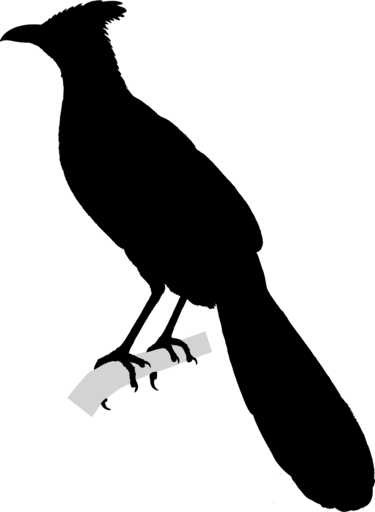
Silhouette: Nicolas Huet le Jeune and Jean-Gabriel Prêtre (vectorized by T. Michael Keesey) · PhyloPic

LCLeast ConcernNTVUENCR
Daily sighting probability ~10% · With luck
at Plitvice Lakes National Park

In 3 days ~30% in a week ~50%

38 Verified sightings at Plitvice Lakes National Park From 2019 to 2026
8,958 In all 65 parks
May Best month
☀️ Diurnal When it's spotted

About the Common Cuckoo

The cuckoo, common cuckoo, European cuckoo or Eurasian cuckoo (Cuculus canorus) is a member of the cuckoo order of birds, Cuculiformes, which includes the roadrunners, the anis and the coucals. This species is a widespread summer migrant to Europe and Asia, and winters in Africa. It is a brood parasite, which means it lays eggs in the nests of other bird species, particularly of dunnocks, meadow pipits, and reed warblers. Although its eggs are larger than those of its hosts, the eggs in each type of host nest resemble the host's eggs. The adult too is a mimic, in its case of the sparrowhawk; since that species is a predator, the mimicry gives the female time to lay her eggs without being attacked.

The species' binomial name is derived from the Latin cuculus (the cuckoo) and canorus (melodious; from canere, meaning "to sing"). The cuckoo family gets its common name and genus name by onomatopoeia for the call of the male common cuckoo. The English word "cuckoo" comes from the Old French cucu, and its earliest recorded usage in English is from around 1240, in the song Sumer Is Icumen In. The song is written in Middle English, and the first two lines are "Svmer is icumen... Wikipedia →

Sounds

Call1:01

China · 2025

© Bo Shunqi 薄顺奇 · XC1180938 · CC BY-NC-SA 4.0

Song0:53

Finland · 2026

© Eetu Paljakka · XC1146170 · CC BY-NC-SA 4.0

Recording0:18

Austria · 2025

© Miriam Öttl · XC1049567 · CC BY-NC-SA 4.0

Global Distribution

Parks Where Found

# Park Country Daily sighting probability
1 Białowieża National Park 🇵🇱 Poland
~50%
2 Biebrza National Park 🇵🇱 Poland
~40%
3 Fertő-Hanság National Park 🇭🇺 Hungary
~40%
4 Mercantour National Park 🇫🇷 France
~30%
5 Gobi Gurvansaikhan National Park 🇲🇳 Mongolia
~30%
6 Hortobágy National Park 🇭🇺 Hungary
~30%
7 Meru National Park 🇰🇪 Kenya
~30%
8 Nikko National Park 🇯🇵 Japan
~30%
9 Kiskunság National Park 🇭🇺 Hungary
~20%
10 Bavarian Forest National Park 🇩🇪 Germany
~20%
11 Jiuzhaigou National Park 🇨🇳 China
~20%
12 Cévennes National Park 🇫🇷 France
~20%
13 Monfragüe National Park 🇪🇸 Spain
~20%
14 Camargue 🇫🇷 France
~20%
15 Sierra de Guadarrama National Park 🇪🇸 Spain
~20%
16 Aigüestortes National Park 🇪🇸 Spain
~10%
17 Cairngorms National Park 🇬🇧 United Kingdom
~10%
18 Langtang National Park 🇳🇵 Nepal
~10%
19 Ecrins National Park 🇫🇷 France
~10%
20 Hohe Tauern National Park 🇦🇹 Austria
~10%
21 Triglav National Park 🇸🇮 Slovenia
~10%
22 Plitvice Lakes National Park 🇭🇷 Croatia
~10%
23 Bandhavgarh National Park 🇮🇳 India
~10%
24 Snowdonia National Park 🇬🇧 United Kingdom
~10%
25 Doñana National Park 🇪🇸 Spain
~10%
26 Sierra Nevada National Park 🇪🇸 Spain
~10%
27 Tsavo West National Park 🇰🇪 Kenya
~10%
28 Ordesa y Monte Perdido National Park 🇪🇸 Spain
~10%
29 Pyrénées National Park 🇫🇷 France
~10%
30 Vanoise National Park 🇫🇷 France
~10%
31 Gauja National Park 🇱🇻 Latvia
~10%
32 Wadden Sea National Park 🇩🇪 Germany
~10%
33 Tsavo East National Park 🇰🇪 Kenya
~10%
34 Picos de Europa National Park 🇪🇸 Spain
~10%
35 Tatra National Park 🇸🇰 Slovakia
~10%
36 Tarangire National Park 🇹🇿 Tanzania
~10%
37 Sundarbans National Park 🇮🇳 India
<5%
38 Royal Bardia National Park 🇳🇵 Nepal
<5%
39 Royal Manas National Park 🇧🇹 Bhutan
<5%
40 Ngorongoro Conservation Area 🇹🇿 Tanzania
<5%
41 Jim Corbett National Park 🇮🇳 India
<5%
42 Table Mountain National Park 🇿🇦 South Africa
<5%
43 Kanha National Park 🇮🇳 India
<5%
44 Ranthambore National Park 🇮🇳 India
<5%
45 Serengeti National Park 🇹🇿 Tanzania
<5%
46 Ruaha National Park 🇹🇿 Tanzania
<5%
47 Akagera National Park 🇷🇼 Rwanda
<5%
48 Manas National Park 🇮🇳 India
<5%
49 Liwonde National Park 🇲🇼 Malawi
<5%
50 Chitwan National Park 🇳🇵 Nepal
<5%
51 Lake Nakuru National Park 🇰🇪 Kenya
<5%
52 Nairobi National Park 🇰🇪 Kenya
<5%
53 Semuliki National Park 🇺🇬 Uganda
<5%
54 Samburu National Reserve 🇰🇪 Kenya
<5%
55 Lake Manyara National Park 🇹🇿 Tanzania
<5%
56 Lake Mburo National Park 🇺🇬 Uganda
<5%
57 Murchison Falls National Park 🇺🇬 Uganda
<5%
58 Masai Mara National Reserve 🇰🇪 Kenya
<5%
59 Arusha National Park 🇹🇿 Tanzania
<5%
60 Satpura National Park 🇮🇳 India
<5%
61 Kaziranga National Park 🇮🇳 India
<5%
62 Bwindi Impenetrable National Park 🇺🇬 Uganda
<5%
63 Keoladeo National Park 🇮🇳 India
<5%
64 Etosha National Park 🇳🇦 Namibia
<5%
65 Kruger National Park 🇿🇦 South Africa
<5%

Cities Where Found

# City Country Daily sighting probability
1 Jinhua 🇨🇳 China
~20%
2 Srinagar 🇮🇳 India
~10%
3 Jinan 🇨🇳 China
~10%
4 Kathmandu 🇳🇵 Nepal
~10%
5 Beijing 🇨🇳 China
~10%
6 Shijiazhuang 🇨🇳 China
~10%
7 Novosibirsk 🇷🇺 Russia
~10%
8 Kyiv 🇺🇦 Ukraine
~10%
9 Daejeon 🇰🇷 South Korea
~10%
10 Budapest 🇭🇺 Hungary
~10%

Zoos & Centres Where Found

# Zoo / Centre Country
1 Korkeasaari Zoo 🇫🇮 Finland In captivity
2 Beijing Wildlife Park 🇨🇳 China In captivity
3 Ogród Zoologiczny w Katowicach 🇵🇱 Poland In captivity

Before you go

What are the chances of seeing a Common Cuckoo in Plitvice Lakes National Park?

With luck

About 10% of wildlife watchers report a Common Cuckoo sighting in Plitvice Lakes National Park on a given day, based on 38 verified sightings from GBIF citizen-science data from 2019 to 2026. It is the 45th most-seen of the 76 birds we can rate there. Over three days the chance rises to about 30%, and over a week to about 50%, if each day is a fresh chance.

When is the best time to see a Common Cuckoo in Plitvice Lakes National Park?

May

In that month about 30% of wildlife watchers report a Common Cuckoo in Plitvice Lakes National Park on a given day, against under 5% in July to October, the lowest months. That is one of Plitvice Lakes National Park's wettest months, with about 200 mm of rain against 90 mm in August. December to February have too few records to rate.

What time of day is best to see a Common Cuckoo?

Between 3 and 6 pm

Across all the parks we cover, that three-hour window holds the most Common Cuckoo sightings with a recorded time, and about 9 in 10 of them come between 6 am and 6 pm: it is a daytime animal.

Where does the Common Cuckoo sighting chance come from?

GBIF citizen-science records

It is estimated from how often the Common Cuckoo is recorded against all the birds logged in Plitvice Lakes National Park (38 verified sightings from 2019 to 2026), calibrated against known sighting rates. Figures are rounded to the nearest 10% because citizen-science data supports honest approximations, not decimals, and months with records from fewer than five people show "—". How it works.

← Back to Plitvice Lakes National Park