



Completed






Little Egret
Egretta garzetta
Silhouette: L. Shyamal · PhyloPic
- KingdomAnimalia (Animals)
- PhylumChordata (Chordates)
- ClassAves (Birds)
- OrderPelecaniformes (Pelicans, Herons, Ibises, and Allies)
- FamilyArdeidae (Herons, Egrets, and Bitterns)
- GenusEgretta (Small Egrets and Herons)
- SpeciesEgretta garzetta (Little Egret)
In 3 days ~20% in a week ~50%
48 Verified sightings at Sendai
40,028 In all 118 parks From 2019 to 2026
August Best month
☀️ Diurnal When it's spotted
About the Little Egret
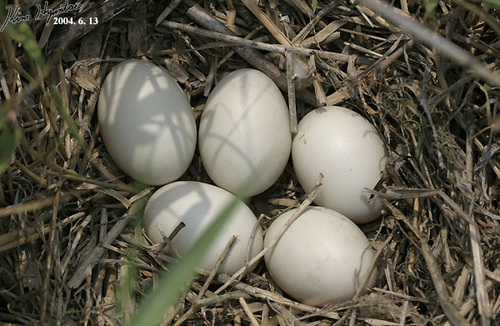
The little egret (Egretta garzetta) is a species of small heron in the family Ardeidae. It is a white bird with a slender black beak, long black legs and, in the western race, yellow feet. As an aquatic bird, it feeds in shallow water and on land, consuming a variety of small creatures. It breeds colonially, often with other species of water birds, making a platform nest of sticks in a tree, bush or reed bed. A clutch of three to five bluish-green eggs is laid and incubated by both parents for about three weeks. The young fledge at about six weeks of age.
It is a polytypic species with two or arguably more subspecies. Its breeding distribution comprises the wetlands, waterways and shorelines of warm temperate to tropical parts of Asia, Africa, Australia, and Europe. A successful colonist, its range has gradually expanded north, with stable and self-sustaining populations now present in the United Kingdom.
In warmer locations, most birds are permanent residents; northern populations, including many European birds, migrate to Africa and southern Asia to over-winter there. The birds may also wander north in late summer after the breeding season, and their tendency to disperse may have assisted in the recent expansion of the bird's range. At one time common in Western Europe, it was hunted extensively in the 19th century to provide plumes for the decoration of hats and became locally extinct in northwestern Europe and scarce in the south. Around 1950, conservation laws were introduced in southern Europe to protect the species and their numbers began to increase. By the beginning of the 21st century the bird was breeding again in France, the Netherlands, Ireland and Britain. Its range is continuing to expand westward, and the species has begun to colonise the New World; it was first seen in Barbados in 1954 and first bred there in 1994. The International Union for Conservation of Nature has assessed the bird's global conservation status as being of "least concern". Wikipedia →
Recent sightings of Little Egret in Sendai
LIVEiNaturalistGlobal Distribution
Parks Where Found
Cities Where Found
| # | City | Country | Daily sighting probability |
|---|---|---|---|
| 1 | Zanzibar City | 🇹🇿 Tanzania | |
| 2 | Quanzhou | 🇨🇳 China | |
| 3 | Guiyang | 🇨🇳 China | |
| 4 | Antananarivo | 🇲🇬 Madagascar | |
| 5 | Tuen Mun | 🇨🇳 China | |
| 6 | Riyadh | 🇸🇦 Saudi Arabia | |
| 7 | Luxor | 🇪🇬 Egypt | |
| 8 | Naha | 🇯🇵 Japan | |
| 9 | Suzhou | 🇨🇳 China | |
| 10 | Shanghai | 🇨🇳 China |
Zoos & Centres Where Found
Closest Relatives at Sendai







Before you go
What are the chances of seeing a Little Egret in Sendai?
With luck
About 10% of wildlife watchers report a Little Egret sighting in Sendai on a given day, based on 48 verified sightings from GBIF citizen-science data. It is the 67th most-seen of the 107 birds we can rate there. Over three days the chance rises to about 20%, and over a week to about 50%, if each day is a fresh chance.
When is the best time to see a Little Egret in Sendai?
August–September and December
In those months about 20% of wildlife watchers report a Little Egret in Sendai on a given day, against under 5% in January and March–June, the lowest months.
What time of day is best to see a Little Egret?
Between 4 and 7 pm
Across all the parks we cover, that three-hour window holds the most Little Egret sightings with a recorded time, and about 8 in 10 of them come between 6 am and 6 pm: it is a daytime animal.
Is Sendai the best place to see a Little Egret?
187th of 226
Of the 226 cities where we can rate Little Egret sightings, Sendai ranks 187th at about 10%. The best odds are in Zanzibar City (Tanzania, about 90%), Quanzhou (China, about 80%) and Guiyang (China, about 80%).
Which relatives of the Little Egret live in Sendai?
Same family: Ardeidae
The closest relatives of the Little Egret that you can see in Sendai (family Ardeidae, Herons, Egrets, and Bitterns) are Great Egret (about 40%), Grey Heron (about 40%) and Ardea modesta (about 40%), with each one's daily chance of a sighting.
Where does the Little Egret sighting chance come from?
GBIF citizen-science records
It is estimated from how often the Little Egret is recorded against all the birds logged in Sendai (48 verified sightings), calibrated against known sighting rates. Figures are rounded to the nearest 10% because citizen-science data supports honest approximations, not decimals, and months with records from fewer than five people show "—". How it works.
