Black Vulture

Black Vulture

Coragyps atratus

Silhouette: Andy Wilson · PhyloPic

LCLeast ConcernNTVUENCR
Daily sighting probability ~60% · Likely
at Big Cypress National Preserve

In 3 days ~90% in a week >90%

2,403 Verified sightings at Big Cypress National Preserve From 2019 to 2026
144,477 In all 97 parks
October Best month
☀️ Diurnal When it's spotted

About the Black Vulture

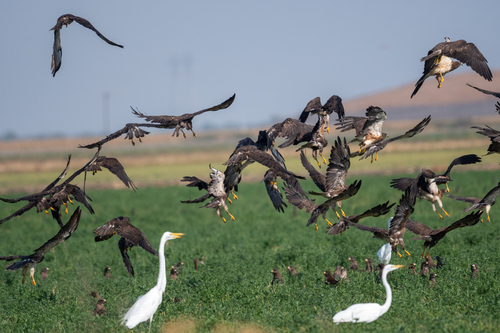
The black vulture (Coragyps atratus), also known as the American black vulture, Mexican vulture, zopilote, urubu, or gallinazo, is a bird in the New World vulture family whose range extends from the northeastern United States to Peru, Central Chile and Uruguay in South America, and common throughout Brazil where it can be seen in large scavenging groups. Although a common and widespread species, it has a somewhat more restricted distribution than its compatriot, the turkey vulture, which breeds well into Canada and all the way south to Tierra del Fuego. It is the only extant member of the genus Coragyps, which is in the family Cathartidae. Despite the similar name and appearance, this species is not closely related to the Eurasian black vulture, an Old World vulture, of the family Accipitridae (which includes raptors like the eagles, hawks, kites, and harriers). For ease of locating animal corpses (their primary source of sustenance), black vultures tend to inhabit relatively open areas with scattered trees, such as chaparral, in addition to subtropical forested areas and parts of the Brazilian pantanal.

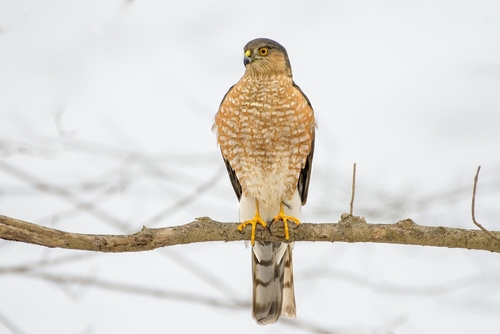
With a wingspan of 1.5 m (4.9 ft), the black vulture is an imposing bird, though relatively small for a vulture, let alone a raptor. It has black plumage, a featherless, grayish-black head and neck, and a short, hooked beak. These features are all evolutionary adaptations to life as a scavenger; their black plumage stays visibly cleaner than that of a lighter-colored bird, the bare head is adapted for easily digging inside animal carcasses, and the hooked beak is built for stripping the bodies clean of meat. The absence of head feathers helps the birds stay clean and remain (more or less) free of animal blood and bodily fluids, which could become problematic for the vultures and attract parasites; most vultures are known to bathe after eating, provided there is a water source. This water source can be natural or man-made, such as a stream or a livestock water tank.

The black vulture is a scavenger and feeds on carrion, but will also eat eggs, small reptiles, or small newborn animals (livestock such as cattle, or deer, rodents, rabbits, etc.), albeit very rarely. They will also opportunistically prey on extremely weakened, sick, elderly, or otherwise vulnerable animals. In areas populated by humans, it also scavenges at waste disposal sites, such as garbage dumps. It finds its meals by using its keen eyesight or following other vultures, especially those of the Cathartes genus which possess a keen sense of smell. Wikipedia →

Sounds

Alarm call0:11

Colombia · 2026

© Manuel Sánchez-Nivicela · XC1152216 · CC BY-NC-ND 4.0

Call0:11

Brazil · 2024

© JAYRSON ARAUJO DE OLIVEIRA · XC917558 · CC BY-NC-SA 4.0

Wing beats0:09

Brazil · 2022

© Ricardo José Mitidieri · XC743758 · CC BY-NC-SA 4.0

Global Distribution

Parks Where Found

# Park Country Daily sighting probability
1 Parque Estadual Encontro das Águas 🇧🇷 Brazil
~80%
2 Ostional Wildlife Refuge 🇨🇷 Costa Rica
~80%
3 Cañón del Sumidero National Park 🇲🇽 Mexico
~70%
4 San Lorenzo Protected Forest 🇵🇦 Panama
~70%
5 Tortuguero National Park 🇨🇷 Costa Rica
~70%
6 Soberanía National Park 🇵🇦 Panama
~70%
7 Tijuca National Park 🇧🇷 Brazil
~70%
8 Coiba National Park 🇵🇦 Panama
~70%
9 Parque Natural Metropolitano 🇵🇦 Panama
~70%
10 Las Baulas Marine National Park 🇨🇷 Costa Rica
~70%
11 Arrecifes de Cozumel National Park 🇲🇽 Mexico
~70%
12 Iguaçu National Park 🇧🇷 Brazil
~70%
13 Tayrona National Natural Park 🇨🇴 Colombia
~70%
14 Lago de Yojoa 🇭🇳 Honduras
~70%
15 Carara National Park 🇨🇷 Costa Rica
~70%
16 Marino Ballena National Park 🇨🇷 Costa Rica
~70%
17 Manuel Antonio National Park 🇨🇷 Costa Rica
~70%
18 Gandoca-Manzanillo Wildlife Refuge 🇨🇷 Costa Rica
~70%
19 Iguazú National Park 🇦🇷 Argentina
~70%
20 Cahuita National Park 🇨🇷 Costa Rica
~60%
21 Big Cypress National Preserve 🇺🇸 United States
~60%
22 Palo Verde National Park 🇨🇷 Costa Rica
~60%
23 Machalilla National Park 🇪🇨 Ecuador
~60%
24 Sian Ka'an Biosphere Reserve 🇲🇽 Mexico
~60%
25 Anavilhanas National Park 🇧🇷 Brazil
~60%
26 Merritt Island National Wildlife Refuge 🇺🇸 United States
~60%
27 Bastimentos Island National Marine Park 🇵🇦 Panama
~60%
28 La Amistad International Park (Panama) 🇵🇦 Panama
~60%
29 Cerro Azul Meámbar National Park 🇭🇳 Honduras
~60%
30 Serra dos Órgãos National Park 🇧🇷 Brazil
~60%
31 Cabo Blanco Absolute Nature Reserve 🇨🇷 Costa Rica
~60%
32 Chagres National Park 🇵🇦 Panama
~60%
33 La Tigra National Park 🇭🇳 Honduras
~60%
34 Tikal National Park 🇬🇹 Guatemala
~60%
35 Corcovado National Park 🇨🇷 Costa Rica
~50%
36 Vicente Pérez Rosales National Park 🇨🇱 Chile
~50%
37 Emas National Park 🇧🇷 Brazil
~50%
38 Caroni Swamp 🇹🇹 Trinidad and Tobago
~50%
39 Volcán Barú National Park 🇵🇦 Panama
~50%
40 Farallones de Cali National Natural Park 🇨🇴 Colombia
~50%
41 Everglades National Park 🇺🇸 United States
~50%
42 Cusuco National Park 🇭🇳 Honduras
~50%
43 Iberá National Park 🇦🇷 Argentina
~50%
44 Rincón de la Vieja National Park 🇨🇷 Costa Rica
~50%
45 Arenal Volcano National Park 🇨🇷 Costa Rica
~50%
46 Braulio Carrillo National Park 🇨🇷 Costa Rica
~50%
47 Tenorio Volcano National Park 🇨🇷 Costa Rica
~50%
48 Cuyabeno Wildlife Reserve 🇪🇨 Ecuador
~50%
49 El Impenetrable National Park 🇦🇷 Argentina
~50%
50 Serra da Canastra National Park 🇧🇷 Brazil
~50%
51 Masaya Volcano National Park 🇳🇮 Nicaragua
~50%
52 Pico Bonito National Park 🇭🇳 Honduras
~50%
53 Celaque National Park 🇭🇳 Honduras
~50%
54 Poás Volcano National Park 🇨🇷 Costa Rica
~50%
55 Piedras Blancas National Park 🇨🇷 Costa Rica
~50%
56 Utría National Natural Park 🇨🇴 Colombia
~40%
57 Amacayacu National Natural Park 🇨🇴 Colombia
~40%
58 Sierra de la Macarena National Park 🇨🇴 Colombia
~40%
59 Irazú Volcano National Park 🇨🇷 Costa Rica
~40%
60 Los Quetzales National Park 🇨🇷 Costa Rica
~40%
61 Santa Rosa National Park 🇨🇷 Costa Rica
~40%
62 Montes Azules Biosphere Reserve 🇲🇽 Mexico
~40%
63 Celestún Biosphere Reserve 🇲🇽 Mexico
~40%
64 Monteverde Cloud Forest Reserve 🇨🇷 Costa Rica
~40%
65 Itatiaia National Park 🇧🇷 Brazil
~40%
66 Manu National Park 🇵🇪 Peru
~40%
67 Yasuní National Park 🇪🇨 Ecuador
~40%
68 Chirripó National Park 🇨🇷 Costa Rica
~40%
69 El Triunfo 🇲🇽 Mexico
~40%
70 Henri Pittier National Park 🇻🇪 Venezuela
~30%
71 Nahuel Huapi National Park 🇦🇷 Argentina
~30%
72 Tapantí-Macizo de la Muerte National Park 🇨🇷 Costa Rica
~30%
73 Chapada dos Guimarães National Park 🇧🇷 Brazil
~30%
74 Tambopata National Reserve 🇵🇪 Peru
~30%
75 Congaree National Park 🇺🇸 United States
~30%
76 Ría Lagartos Biosphere Reserve 🇲🇽 Mexico
~30%
77 Calakmul Biosphere Reserve 🇲🇽 Mexico
~30%
78 El Palmar National Park 🇦🇷 Argentina
~30%
79 Biotopo Cerro Cahuí 🇬🇹 Guatemala
~30%
80 Chapada Diamantina National Park 🇧🇷 Brazil
~30%
81 Chingaza National Natural Park 🇨🇴 Colombia
~30%
82 Amboró National Park 🇧🇴 Bolivia
~20%
83 Cumbres de Monterrey National Park 🇲🇽 Mexico
~20%
84 Los Nevados National Natural Park 🇨🇴 Colombia
~20%
85 Shenandoah National Park 🇺🇸 United States
~20%
86 Darién National Park 🇵🇦 Panama
~20%
87 Cockscomb Basin Wildlife Sanctuary 🇧🇿 Belize
~20%
88 Big Bend National Park 🇺🇸 United States
~20%
89 Brownsberg Nature Park 🇸🇷 Suriname
~20%
90 Podocarpus National Park 🇪🇨 Ecuador
~10%
91 Península Valdés 🇦🇷 Argentina
~10%
92 Saguaro National Park 🇺🇸 United States
<5%
93 Cape Breton Highlands National Park 🇨🇦 Canada
<5%
94 Great Smoky Mountains National Park 🇺🇸 United States
<5%
95 Padre Island National Seashore 🇺🇸 United States
<5%
96 Ciénaga de Zapata 🇨🇺 Cuba
<5%
97 Point Pelee National Park 🇨🇦 Canada
<5%

Cities Where Found

# City Country Daily sighting probability
1 Caracas 🇻🇪 Venezuela
~90%
2 Vitória 🇧🇷 Brazil
~90%
3 Santos 🇧🇷 Brazil
~80%
4 São Luís 🇧🇷 Brazil
~80%
5 Niterói 🇧🇷 Brazil
~80%
6 Lima 🇵🇪 Peru
~80%
7 Rio de Janeiro 🇧🇷 Brazil
~80%
8 Panama City 🇵🇦 Panama
~80%
9 Barranquilla 🇨🇴 Colombia
~80%
10 Belém 🇧🇷 Brazil
~70%

Zoos & Centres Where Found

# Zoo / Centre Country
1 Disney's Animal Kingdom 🇺🇸 United States In captivity
2 ZooParc de Beauval 🇫🇷 France In captivity
3 Ostrava Zoo 🇨🇿 Czechia In captivity
4 Parc des oiseaux 🇫🇷 France In captivity
5 Le rocher des aigles 🇫🇷 France In captivity
6 San Diego Zoo Safari Park 🇺🇸 United States In captivity
7 Espace Rambouillet 🇫🇷 France In captivity
8 Minnesota Zoo 🇺🇸 United States In captivity
9 World Bird Sanctuary 🇺🇸 United States In captivity
10 Higashiyama Zoo and Botanical Gardens 🇯🇵 Japan In captivity
11 Higashiyama Zoo Main Park 🇯🇵 Japan In captivity
12 Higashiyama Zoo North Park 🇯🇵 Japan In captivity
13 Ecological Center of Sonora 🇲🇽 Mexico In captivity
14 Safari Madrid 🇪🇸 Spain In captivity
15 Phoenix Zoo 🇺🇸 United States In captivity
16 Jacksonville Zoo and Gardens 🇺🇸 United States In captivity
17 Parque Municipal Summit 🇵🇦 Panama In captivity
18 Selwo Aventura 🇪🇸 Spain In captivity
19 Birmingham Zoo 🇺🇸 United States In captivity
20 West Virginia State Wildlife Center 🇺🇸 United States In captivity
21 Caldwell Zoo 🇺🇸 United States In captivity
22 Zoológico de Goiânia 🇧🇷 Brazil In captivity
23 Franklin Park Zoo 🇺🇸 United States In captivity
24 Fort Worth Zoo 🇺🇸 United States In captivity
25 Gatorland 🇺🇸 United States In captivity
26 Indianapolis Zoo 🇺🇸 United States In captivity
27 Parque Zoobotânico Arruda Câmara (BICA) 🇧🇷 Brazil In captivity
28 Houston Zoo 🇺🇸 United States In captivity
29 Arizona-Sonora Desert Museum 🇺🇸 United States In captivity
30 Maine Wildlife Park 🇺🇸 United States In captivity
31 San Antonio Zoo 🇺🇸 United States In captivity
32 Alipore Zoological Gardens 🇮🇳 India In captivity
33 Hanover Zoo 🇩🇪 Germany In captivity
34 Zoo Atlanta 🇺🇸 United States In captivity
35 Bandung Zoo 🇮🇩 Indonesia In captivity
36 Bioparque "Washington Rodriguez Piquinela" 🇺🇾 Uruguay In captivity
37 Naples Zoo 🇺🇸 United States In captivity
38 Roger Williams Park Zoo 🇺🇸 United States In captivity
39 Amaru 🇪🇨 Ecuador In captivity
40 Zoológico del Altiplano 🇲🇽 Mexico In captivity
41 Parque de las Leyendas 🇵🇪 Peru In captivity
42 Pueblo Zoo 🇺🇸 United States In captivity
43 Animal Forest 🇺🇸 United States In captivity
44 Reserva de Fauna y Flora Pan de Azúcar 🇺🇾 Uruguay In captivity
45 Zoológico do CIGS 🇧🇷 Brazil In captivity
46 Chahinkapa Zoo 🇺🇸 United States In captivity
47 Ellen Trout Zoo 🇺🇸 United States In captivity
48 Jungle Island 🇺🇸 United States In captivity
49 Chattanooga Zoo at Warner Park 🇺🇸 United States In captivity
50 ZooAmerica 🇺🇸 United States In captivity

Before you go

What are the chances of seeing a Black Vulture in Big Cypress National Preserve?

Likely

About 60% of wildlife watchers report a Black Vulture sighting in Big Cypress National Preserve on a given day, based on 2,403 verified sightings from GBIF citizen-science data from 2019 to 2026. It is the 9th most-seen of the 199 birds we can rate there. Over three days the chance rises to about 90%, and over a week to over 90%, if each day is a fresh chance.

When is the best time to see a Black Vulture in Big Cypress National Preserve?

March, June, October and December

In those months about 70% of wildlife watchers report a Black Vulture in Big Cypress National Preserve on a given day, against about 50% in July and August, the lowest months.

What time of day is best to see a Black Vulture?

Between noon and 3 pm

Across all the parks we cover, that three-hour window holds the most Black Vulture sightings with a recorded time, and about 9 in 10 of them come between 6 am and 6 pm: it is a daytime animal.

Where does the Black Vulture sighting chance come from?

GBIF citizen-science records

It is estimated from how often the Black Vulture is recorded against all the birds logged in Big Cypress National Preserve (2,403 verified sightings from 2019 to 2026), calibrated against known sighting rates. Figures are rounded to the nearest 10% because citizen-science data supports honest approximations, not decimals, and months with records from fewer than five people show "—". How it works.

← Back to Big Cypress National Preserve